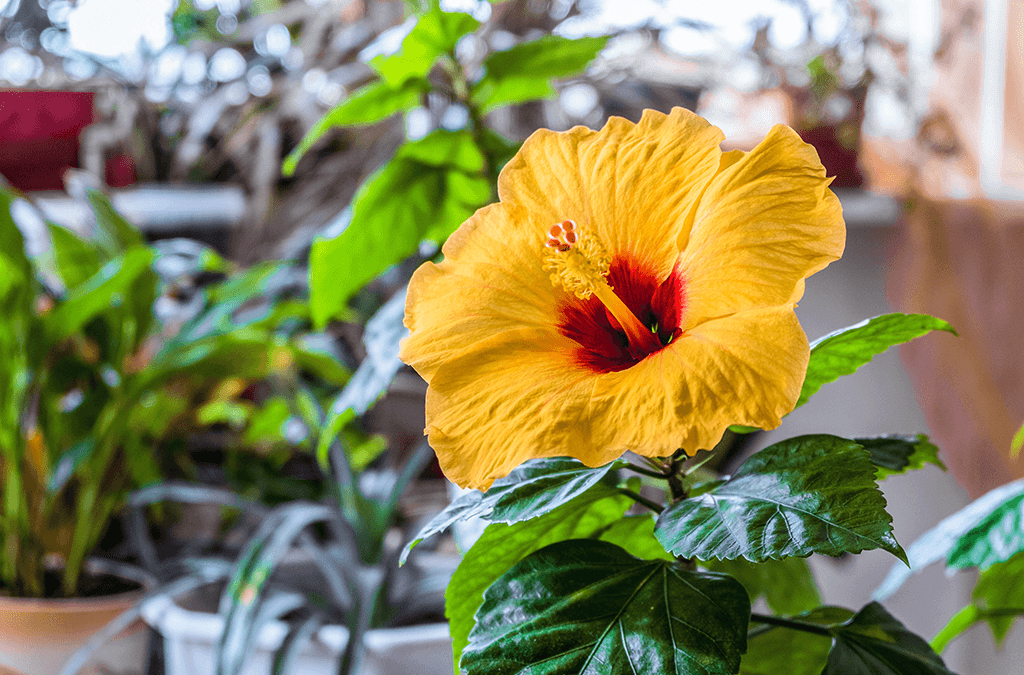
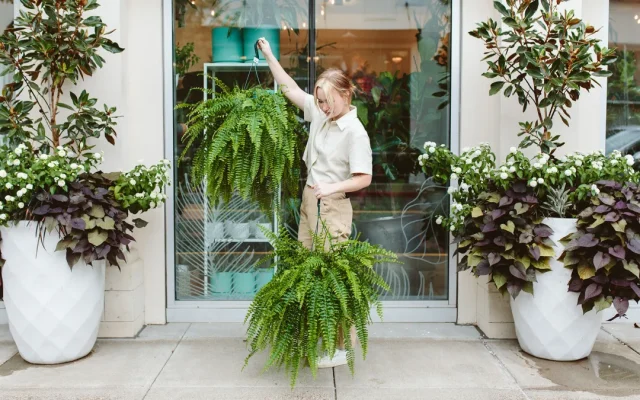
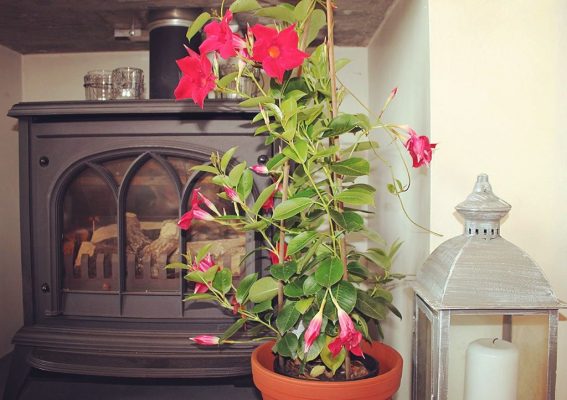
With summer quickly coming to an end, it comes the beauty of tropical plants that have been flourishing in your garden but cannot survive the cooler weather. As the weather starts to turn, it’s time to think about giving these exotic beauties a cozy home inside. You’ve been enjoying their vibrant colors and lush foliage all season long, so why not keep that tropical vibe going indoors? Let’s dive into the world of Tropical Hibiscus, Mandevilla, Boston Ferns and more to learn how to prepare them for the cooler months ahead.
The Art of Transitioning
Tropical plants are like the life of the party, bringing a touch of the exotic to your outdoor spaces. But when the temperature drops, it’s time to start thinking about the transition. Don’t worry, you don’t have to say goodbye to your leafy companions just yet! With a little TLC, you can keep that tropical paradise thriving through the winter. First things first, it’s essential to understand that these plants are not pets that you can just cozy up with on the couch. They need a bit more finesse when it comes to moving them indoors. If you’ve got a green thumb, you’re probably already itching to get started. But if not, fear not! We’re here to guide you through the process.
Plant Clean-Up
Before you even think about bringing your tropical babies inside, you need to ensure they’re free from any unwanted guests. Insects love these plants as much as you do, and you don’t want to be hosting an indoor jungle of creepy crawlies. Start by cleaning them up, and we mean really cleaning them up. Inspect every leaf, every stem, and every nook and cranny for any signs of pests. Enter the world of pesticides, but don’t go reaching for just any old spray. We recommend Fertilome’s Triple Action for its organic properties and effectiveness against both insects and some diseases, but remember, it’s not a one-and-done deal. You’ll need to spray regularly to keep those pesky critters at bay.
Meet the Enemies: Aphids, Mites, & Scale
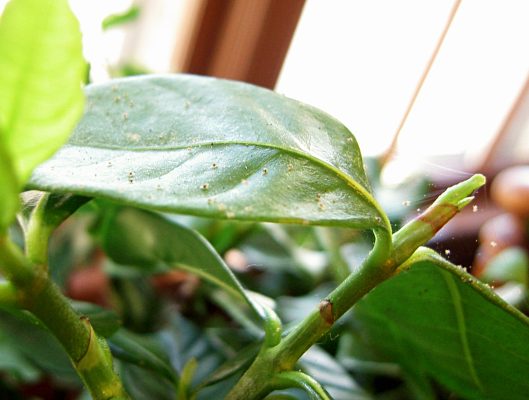
Ah, the dreaded aphids and scale. Aphids & Spider Mites are the tiny terrors that can wreak havoc on your tropical oasis and multiply at an alarming rate. Scale, on the other hand, are the couch potatoes, just sitting there, sucking the life out of your plants. To tackle these unwelcome visitors, you’ll need to get up close and personal. Spray the top and bottom of the leaves, as well as the stems, to cover all the stages of their life cycle. If you miss even one, it’s like leaving a single roach in your kitchen—you know what’s going to happen.
The Non-Organic Solution
For those who prefer a non-organic approach, there’s Bug Blaster Plus. It’s like the big brother of the organic triple action spray. It’s got the same great punch but with a longer-lasting residual. So, if you’re not into the whole “spraying every week” routine, this might be more your style.
The Organic Solution
Enter the fight against the enemies with the unsung hero, All Seasons Horticultural Oil. This organic gem doesn’t just control pests; it smothers them with a fine, non-toxic oil that makes those pests go KAPUT! Think of it as a deep-tissue massage for your plants, but where the bugs feel…welp…dead.
Acclimating Your Tropical Treasures Indoors
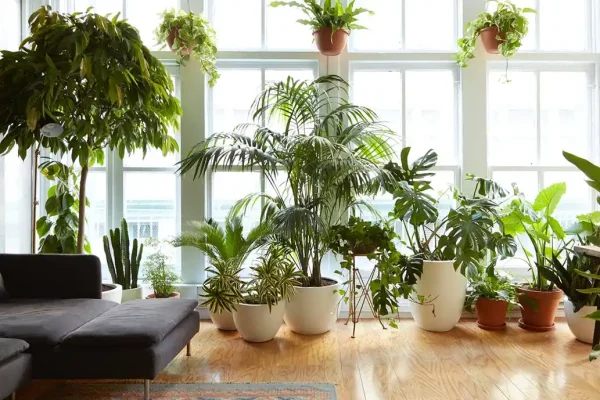
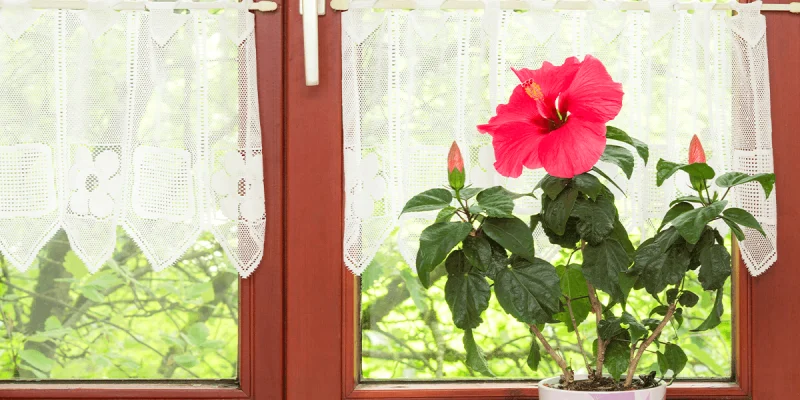
Now that your plants are clean and bug-free, it’s time to introduce them to their new home. But remember, they’re not used to the low light and dry air of your house so it’s important to keep them as close to windows as possible. Be patient; they’ll drop some leaves as they get used to the change in atmosphere and lighting conditions. It’s like they’re shedding their summer wardrobe for their winter coats. Keep an eye on them, and if you’re not sure if they’re happy, just give them a little more light. But don’t overdo it; they need to adjust gradually. And don’t forget to keep the humidity in check. They’re tropical, after all, and they crave that moisture.
The Bottom Line
The key to a successful transition is to start early and be thorough. Don’t wait until the last minute to bring your plants inside. Begin the clean-up and spraying process now, so by the time the cold sets in, your plants are ready to take on the indoors. And if you find that some of your green friends just can’t handle the change, it’s okay to let them go. After all, they’re plants, not puppies. It’s part of the cycle of life in the garden. But with a bit of effort, you can keep that tropical feel all year round. So, roll up your sleeves, grab your spray bottles, and get ready to a little bit of the Amazon into your living room.