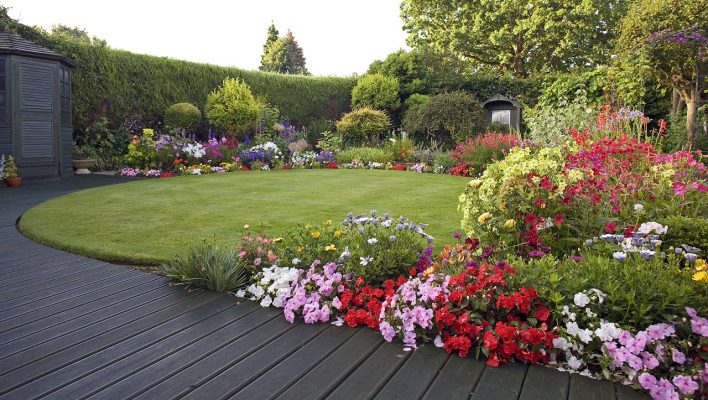
We’re diving into the age-old battle against weeds, drawing inspiration from the parable of the sower in Matthew 13:8-9. This ancient wisdom still rings true in our modern landscape. We’re here to discuss the importance of controlling weeds before they take over and produce a crop 160 times more than what was planted. Let’s explore the various methods and products available to keep those pesky invaders at bay and maintain a thriving garden that’s both aesthetically pleasing and fruitful.
The Weed Whisperer’s Dilemma:
We’ve all been there, staring at our once pristine garden, now a jungle of unwanted guests—weeds. They seem to pop up overnight, pregnant with hundreds of seeds, ready to wreak havoc on our green paradise. They push through concrete and crack open sidewalks, a relentless force of nature that can make even the most dedicated gardener despair. But fear not! With the right tools and techniques, we can conquer these botanical beasts and restore order to our garden beds.
The Art of Hoeing:
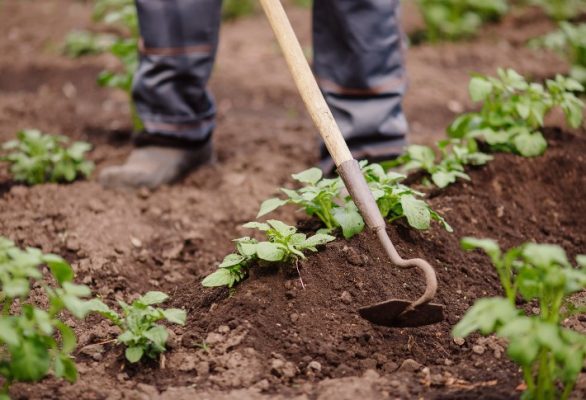
One of the oldest and most effective methods of weed control is hoeing. It’s a simple tool that can make a significant impact when used correctly. Don’t be fooled by its simplicity; hoeing is an art form that requires skill and patience. You must glide the hoe’s edge at an angle into the soil, slicing the weed from its roots without damaging the surrounding plants. It’s not about brute force, but precision, much like a chef wielding a knife in the kitchen. If you’re feeling a bit lazy or have a large area to cover, you can always opt for spraying, but remember, timing is everything.
The Spraying Solution:
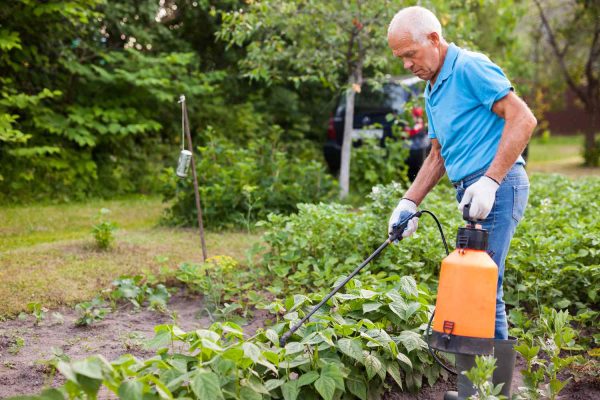
For those of us who prefer to keep our gardens standing upright, there are chemical solutions. Glyphosate, found in products like Roundup, is a powerful herbicide that can eliminate weeds in their tracks. But beware, it’s a double-edged sword. Spray with care, ensuring you don’t harm the plants you want to keep. For those with a green thumb and a green heart, there are organic alternatives like Fertilome’s grass and weed killer. It uses ammoniated soap of fatty acids to eliminate weeds without damaging the environment. However, it may not be as effective in killing the root system, so expect some rebels to pop up again.
Choose Your Weapon Wisely:
When it comes to chemical warfare in the garden, there are options aplenty. High Yield’s Killzall Super Concentrate is a great choice, offering a surfactant that makes the spray stick to leaves for better absorption. If you’re looking for a one-two punch of weed control and prevention, consider their 365 version. It’s a bit more forgiving, allowing you to replant your garden in just a week.But remember, organic doesn’t always mean benign. Even vinegar, a popular DIY weed killer, can turn your lawn into a barren wasteland if not used correctly. So, before you don your mad scientist goggles and start mixing concoctions, make sure you know what you’re doing.
Conclusion:
Weeding is a never-ending battle, but with the right knowledge and tools, we can keep our gardens looking heavenly. Whether you’re a hoe aficionado or a spray enthusiast, the key is to attack early and often. Don’t wait for those weeds to go to seed and multiply your troubles. And always, always read the labels. Safety first, folks!
Thank you for joining us on this weed-filled journey. We hope you’ve gained some insight into the ancient art of weed control. Remember, a little bit of sweat equity now can lead to a bountiful, weed-free harvest later. Happy gardening, and may your plants always grow tall and your weeds never grow at all!