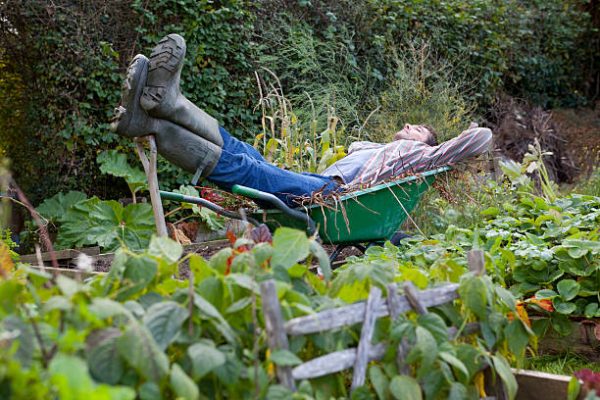
As the cooler months of Fall and Winter approach, we often find ourselves in a bit of a gardening conundrum. After spending the spring and summer meticulously tending to our blooming beauties, deadheading and cutting back to encourage new growth, we’re suddenly given the green light to be a bit more… relaxed with our pruning shears. And let’s face it, who doesn’t love a good excuse to put their feet up and let nature take its course? The truth is, while we’re enjoying the harvest of our garden’s bounty and preparing our plants for their winter slumber, our feathered friends are facing a food crisis. The natural food sources they rely on become scarce as the weather turns, leaving them in a bit of a pickle. But fear not, for this is where the beauty of lazy gardening comes into play!
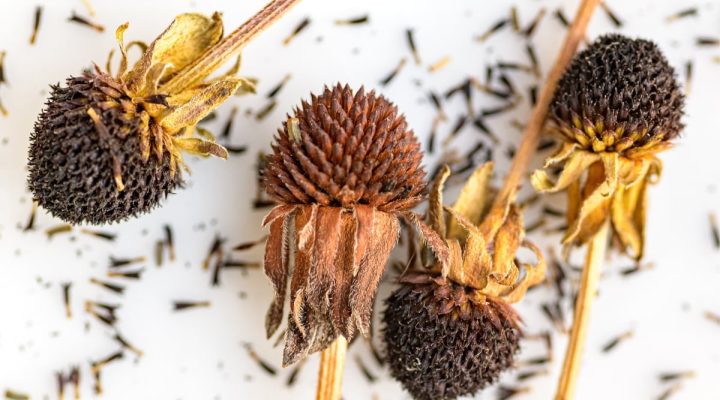
By allowing certain plants to go to seed, we are unwittingly providing a lifeline for birds in need. The humble practice of letting those flowers you’ve been deadheading all summer to fully mature into seed heads can make a world of difference to our avian companions. It’s like leaving out a banquet for them to feast on, and the best part is, it requires almost no effort on our part!
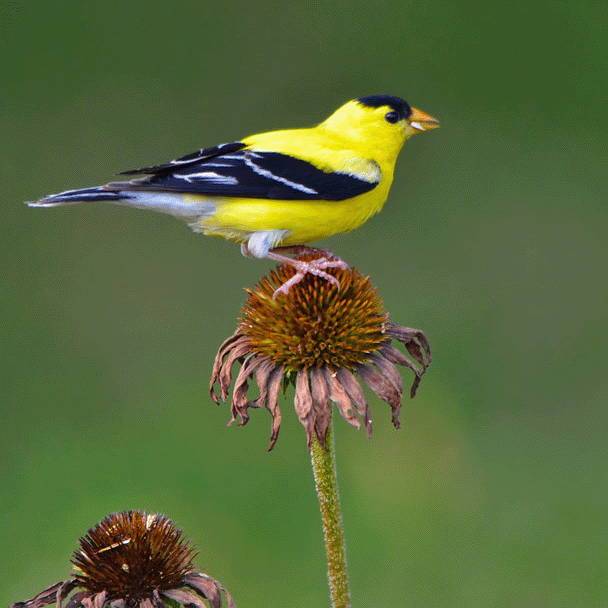
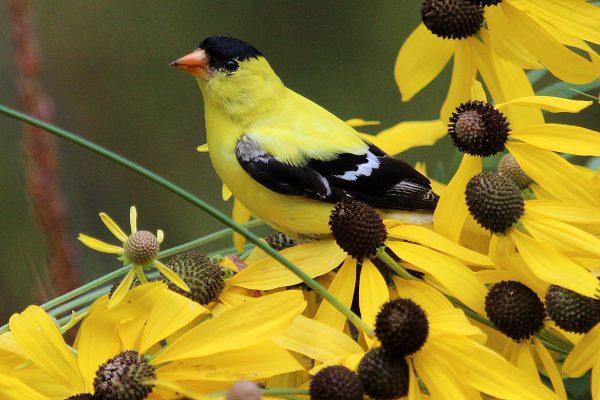
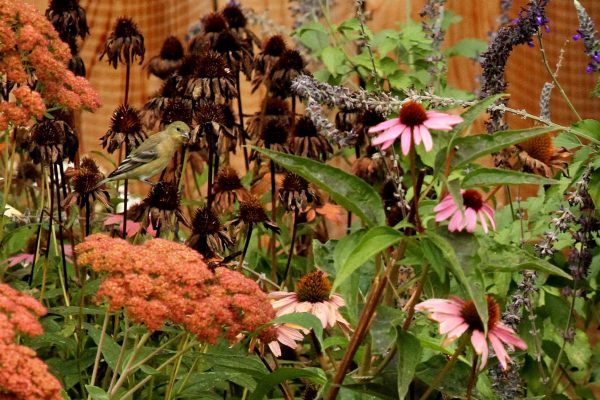
Now, I know what you’re thinking – “But what about the aesthetics of my garden?” Well, let me introduce you to the unsung hero of the winter garden: the seed head. Often overlooked, these architectural wonders offer not only sustenance but also a visual delight. Picture a goldfinch, perched delicately atop a black-eyed Susan, plucking away at the nutritious seeds, its vibrant colors a stark contrast against the backdrop of fading foliage. It’s a sight that can warm even the chilliest of winter days.
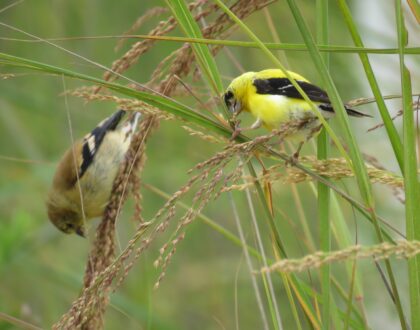
But it’s not just flowers that play a part in this feathery feast. Grasses, with their sturdy stems and plentiful seeds, are a fantastic resource for birds. The foxtail from a pennisetum is a prime example, offering both food and nesting material. And let’s not forget about the often-overlooked Joe Pye Weed, which is a veritable goldmine for birds looking to bulk up before the winter sets in.
Some of the best plants to leave untouched for the birds include:
– Coneflowers (Echinacea): Their distinctive conical seed heads are a favorite of many species, including goldfinches.
– Grasses: The seeds of ornamental grasses like Panicum and Miscanthus are a delight for birds. Plus, they provide cover and shelter.
– Coreopsis: These cheery flowers come in a range of colors and offer a smorgasbord of seeds for birds to munch on.
– Asters: With their flat-topped clusters of petals, they’re a beacon for birds in search of a snack.
– Threadleaf Coreopsis: The fine, thread-like foliage might not scream “bird buffet,” but trust us, they’ll love it.
– Joe Pye Weed (Eutrochium): It’s not just for butterflies anymore! Birds are crazy about these seeds.
By embracing the art of lazy gardening, we can create a haven for birds in our own backyards. It’s a simple, yet profound act of kindness that requires minimal effort and can make a significant impact on local wildlife. So, put down those pruning shears and let your garden go to seed! You’ll be rewarded with a symphony of chirps and flutters, a reminder that even in the leanest of times, life in the garden goes on.
So, as the days grow shorter, remember to give back to the birds who have graced us with their presence all year long. Let your perennials rest, keep an eye out for those seeds, and watch the magic unfold. After all, gardening isn’t just about what we get from it, but what we give back, too. And sometimes, the most beautiful things come from doing nothing at all.