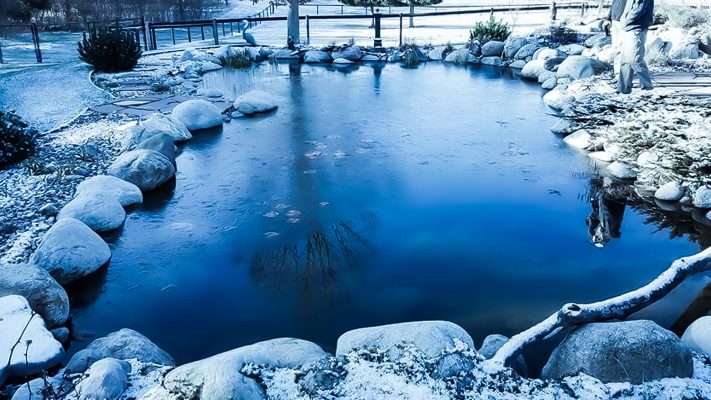
As the days grow shorter and temperatures begin to drop, it’s crucial to start preparing your pond for the winter months ahead. With a bit of proactive maintenance, you can ensure the health and safety of your aquatic ecosystem through the cold season. Here’s a comprehensive guide to essential tasks that will help you winterize your pond effectively.
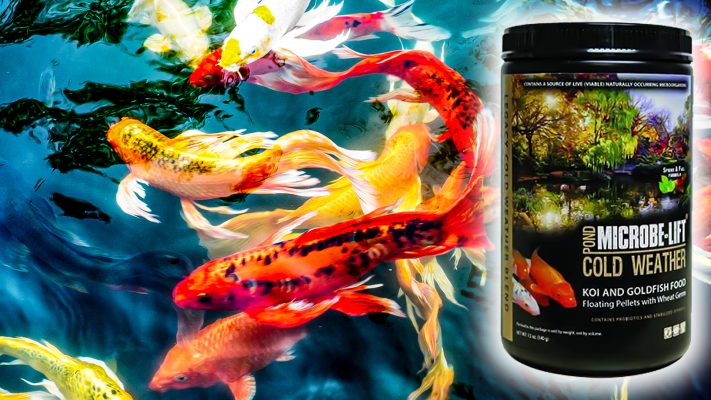
The first step in winterizing your pond involves your fish. As the water temperature declines, fish metabolism slows down significantly. It’s important that you switch your fish to a high-protein fall food, which is usually wheat germ-based. This type of food is easier for your fish to digest in cooler temperatures and helps them prepare for the winter dormancy phase. Remember to monitor the water temperature closely; once it dips below 50°F, it’s time to reduce feeding to prevent overloading their system. The good news? If you have leftover fall fish food, it can be the first meal you offer them when spring rolls around!
Fallen leaves are a significant concern in pond maintenance, especially as autumn progresses. When leaves break down, they can release harmful gases that are detrimental to your fish’s health. To combat this, consider investing in a pond netting to cover your pond and capture leaves before they sink to the bottom. Just like pool covers, these nets will help prevent the accumulation of leaf debris and ensure a healthier pond environment. Performing a thorough fall cleanup by removing leaves that have built up over the summer and fall will also contribute to better water quality and reduce the risk of ammonia buildup under ice.
Preparing Your UV Filter System
A clean and functional UV filter is another key aspect of winterizing your pond. Before temperatures drop, be sure to remove your UV light from the system. This is crucial because the sensitive sleeve that protects the bulb can crack if exposed to freezing temperatures. A broken UV light not only incurs costly replacements but may also leave your pond at risk for algae blooms. If your UV bulb is older than two years, make it a priority to replace it before winter. While you won’t use it during the cold months, having it fresh and ready for spring will enhance your pond’s overall health.
Organic Matter Management
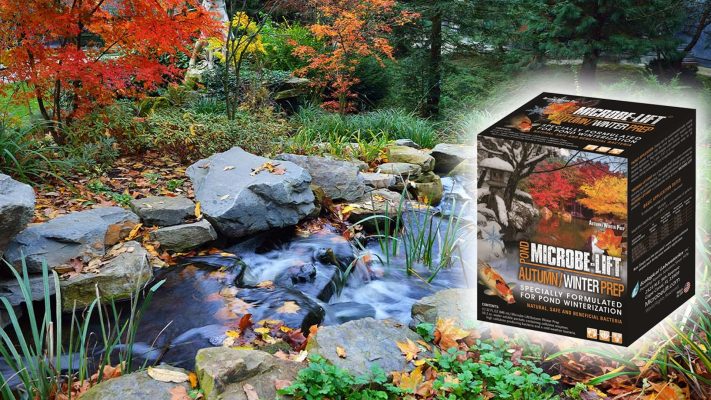
Microbe-Lift Autumn/Winter Prep – $34.99
Microbe-Lift Autumn/Winter Prep is an excellent product for maintaining a healthy pond during the transition into winter. By breaking down the decomposition of leaves and organic matter in your pond, Microbe-Lift helps to maintain optimal water quality. Think of it as the digestif for your pond; just as our bodies need help processing food, your pond needs assistance in managing organic build-up. Regular usage of Micro-Lift ensures a balanced environment that is safe for your fish, providing them a healthy habitat throughout winter.
Importance of a Deicer
API Floating Pond De-Icer – $59.99
As winter sets in, you might be tempted to install a pond heater, but what you actually need is a deicer. A deicer creates a small hole in the ice layer that forms on your pond, allowing harmful gases to escape. This step is crucial to prevent fatal gas buildup for your fish, especially during prolonged freezing temperatures. Deicers typically operate on a thermostat, ensuring they only activate when necessary, thus conserving energy. It’s essential to ensure the deicer does not touch your pond liner, as this could damage it over time.
Consider Adding Aeration
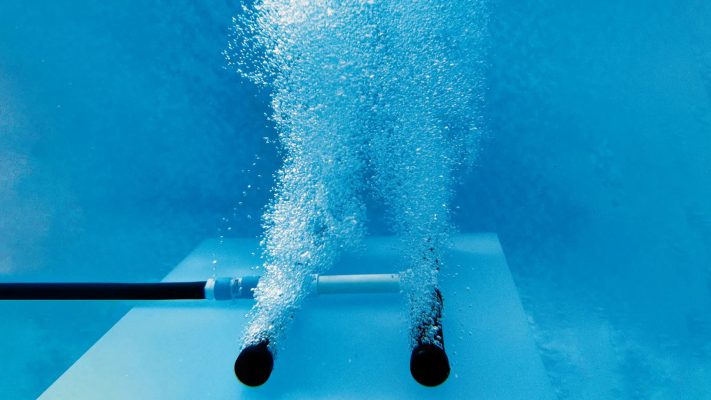
Finally, adding an aerator can further enhance winter pond management. By circulating warmer water from beneath the ice to the surface, it helps create an opening in the ice, maintaining a healthy environment for your fish. Although there are some drawbacks, such as potential ice buildup if not monitored, aeration can be an effective complementary measure alongside a deicer.
In conclusion, winterizing your pond requires preparation and diligence. By following these essential steps—feeding your fish appropriately, managing leaf debris, maintaining your UV filter, using Microbe-Lift Autumn/Winter Prep, and employing a deicer—you’ll be setting your pond up for a safe and healthy winter. Taking these actions will make it easier to manage your pond when spring arrives, ensuring your aquatic haven remains vibrant and healthy all year round.