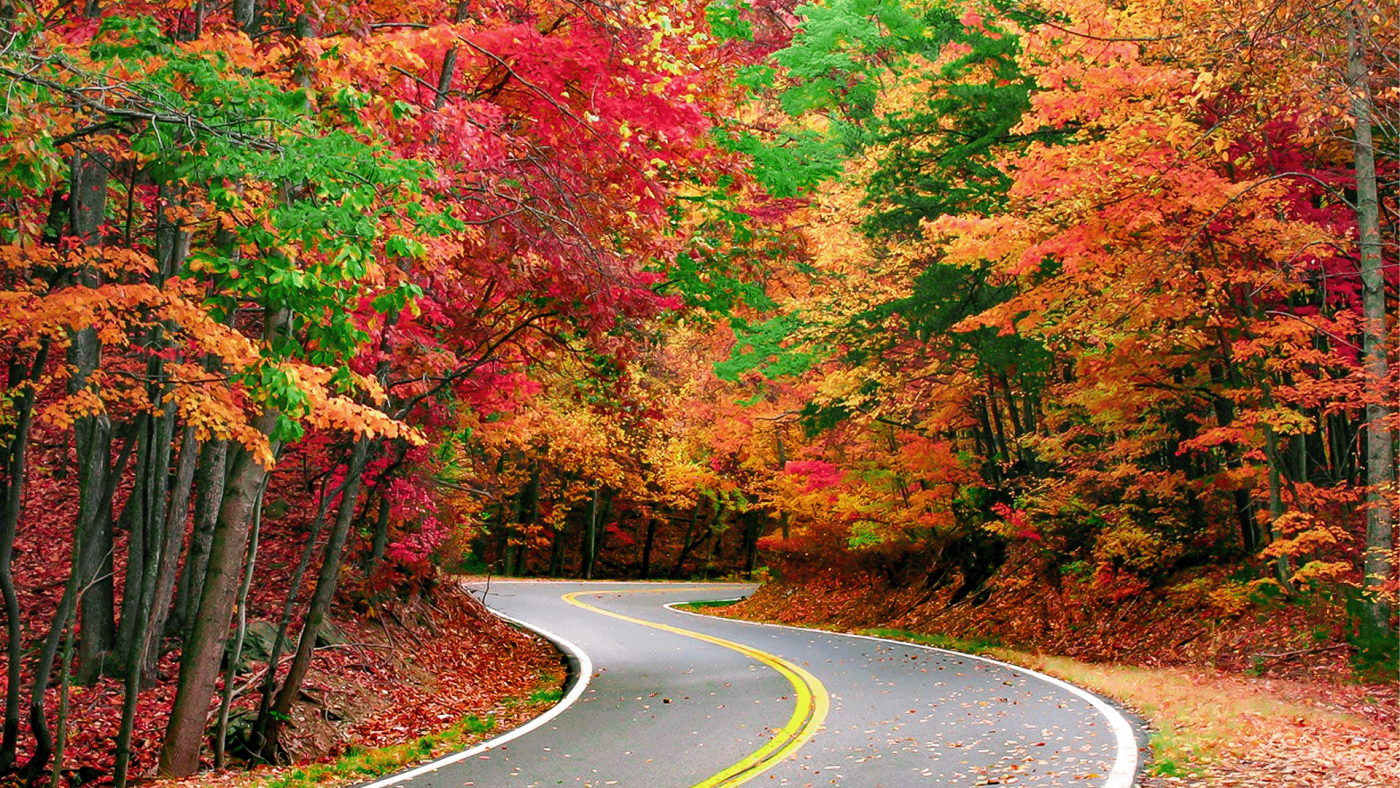
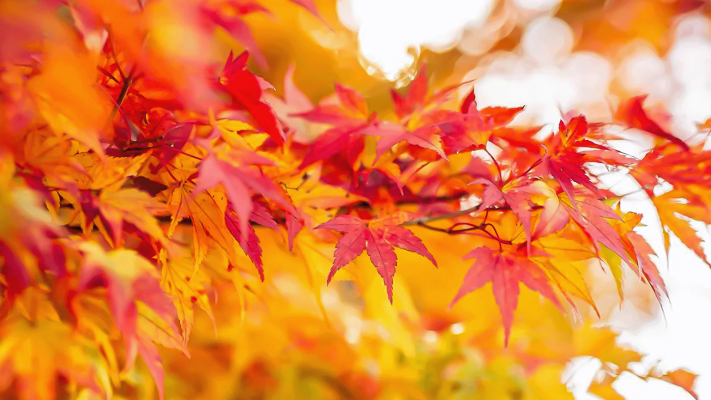
As the crisp air of autumn begins to settle in, many of us are greeted by the stunning spectacle of fall foliage. The vivid transformation of leaves—from rich greens to vibrant oranges, reds, and yellows—serves as a beautiful reminder of the changing seasons. But have you ever wondered why trees undergo this annual display? The process is rooted in complex scientific phenomena, including the interplay of chlorophyll and light availability. During the spring and summer, chlorophyll—the pigment responsible for the green color in leaves—thrives in the presence of abundant sunlight, allowing trees to photosynthesize effectively. However, as daylight hours shorten in the fall, chlorophyll production slows down, exposing other pigments present in the leaves.
The roles of carotenoids and anthocyanins are essential in this autumnal transformation. Carotenoids, which produce the yellow and orange hues, become more pronounced as chlorophyll fades. These pigments are not just confined to leaves; they are also found in fruits and vegetables, contributing to their vibrant colors. For instance, carrots and bananas are rich in carotenoids, which serve both aesthetic and nutritional purposes. Anthocyanins, the pigments that give some leaves their reds and purples, are influenced by environmental factors such as temperature. A cool, dry fall encourages deeper red shades, while overcast and rainy conditions can lead to a broader spectrum of fall colors.
Interestingly, the timing of leaf drop varies among tree species. Deciduous trees shed their leaves to conserve water and energy as winter approaches. When a leaf detaches, the tree forms a scar where the leaf stem was connected, sealing it off to prevent moisture loss. This biological adaptation is crucial for survival, particularly in regions where winter conditions can be harsh. Certain types of oaks, like pin oaks, may retain some leaves into the spring, a phenomenon that can leave homeowners feeling like they’ve missed a cleanup opportunity after fall.
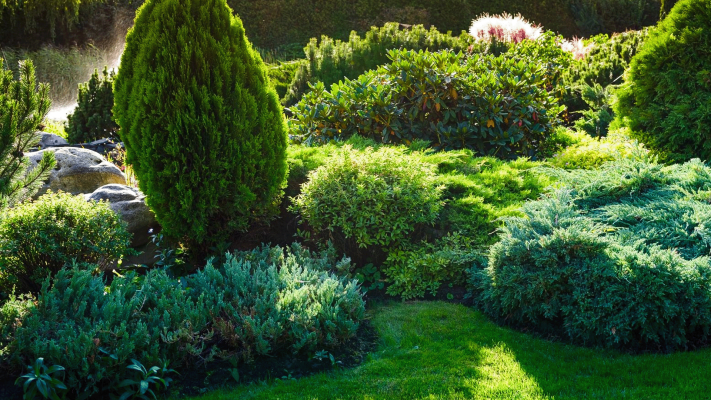
Shrubs and other landscape plants follow similar principles when it comes to leaf shedding. For instance, broadleaf evergreens will drop older leaves that are no longer benefiting from sunlight as new growth emerges. This cycle is a natural process that aids in maintaining the health of the plant, signaling to homeowners that this behavior is perfectly normal and not a cause for concern. On the other hand, coniferous trees shed their needles less frequently, often in a cycle that spans multiple years. Understanding these seasonal dynamics can lead to a more informed appreciation of the flora around us.
As we navigate through this picturesque season, it’s an excellent time to reflect on the remarkable adaptability of trees and plants. While the days grow shorter and temperatures drop, the vibrant colors of fall are a captivating reminder of nature’s cyclical beauty. The transition into winter may feel imminent, but autumn provides unique opportunities to slow down and savor the changing landscapes. So the next time you marvel at the colorful displays of fall, remember the incredible science behind it, as well as the fact that each day brings us closer to more sunlight, beginning with the winter solstice. Embrace the beauty of the season, and don’t forget to appreciate the preparations of nature as we head into the colder months.