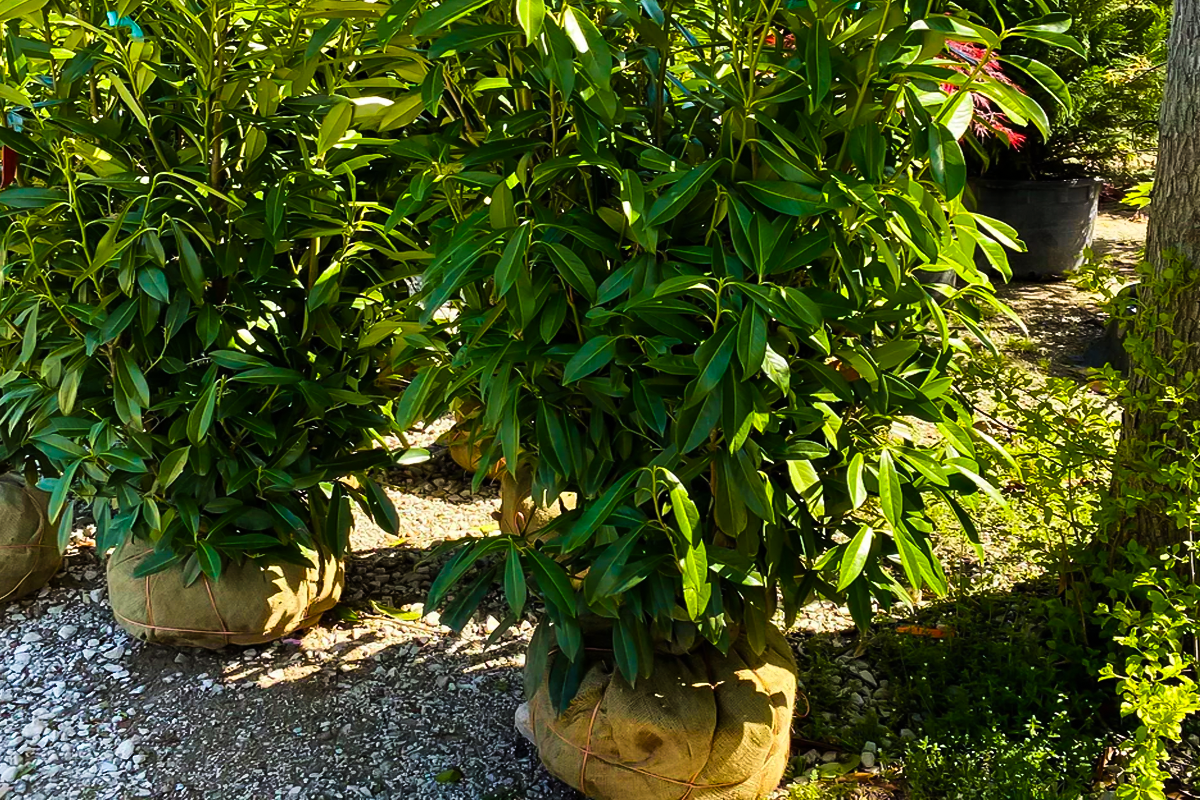
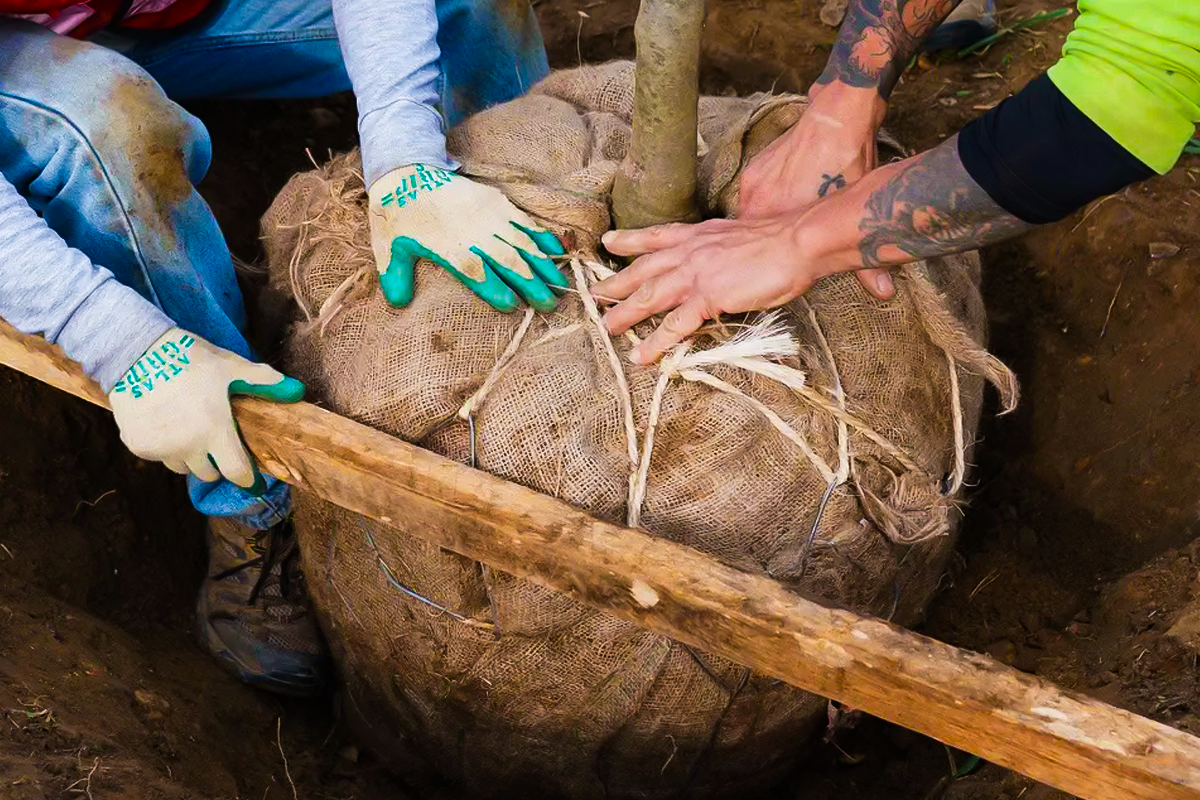
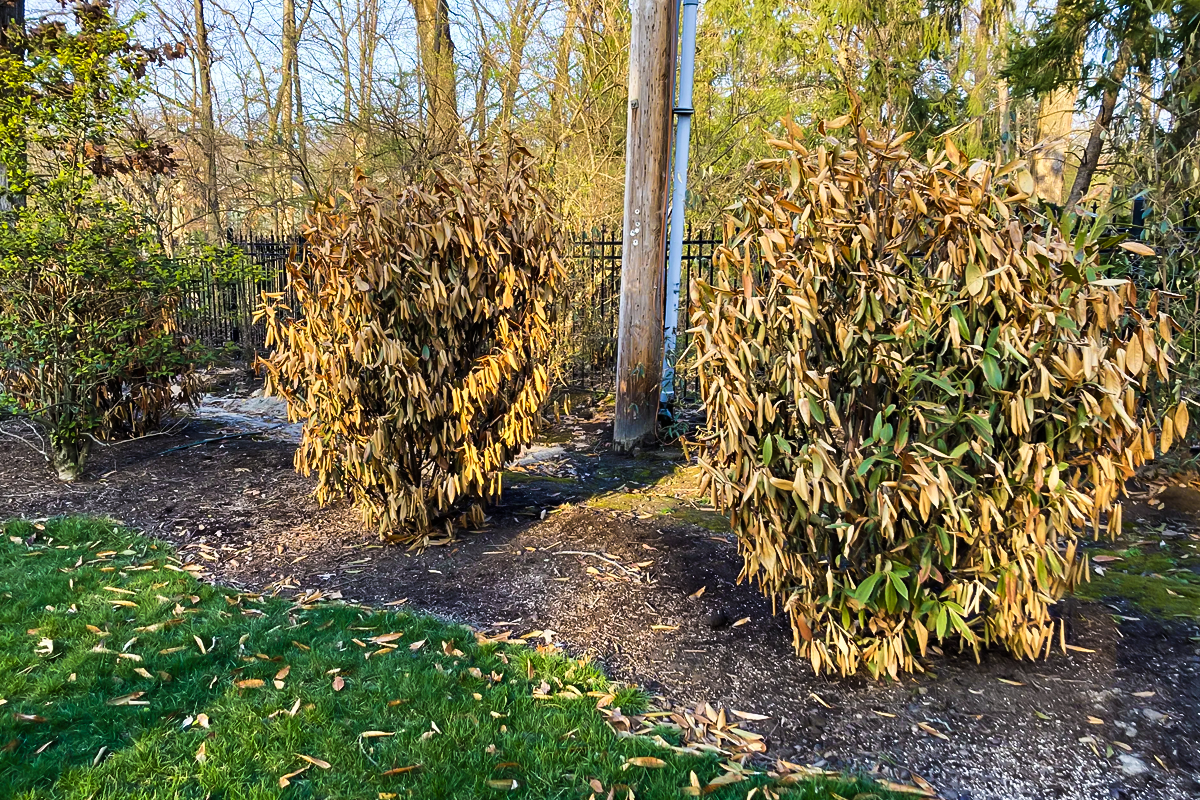
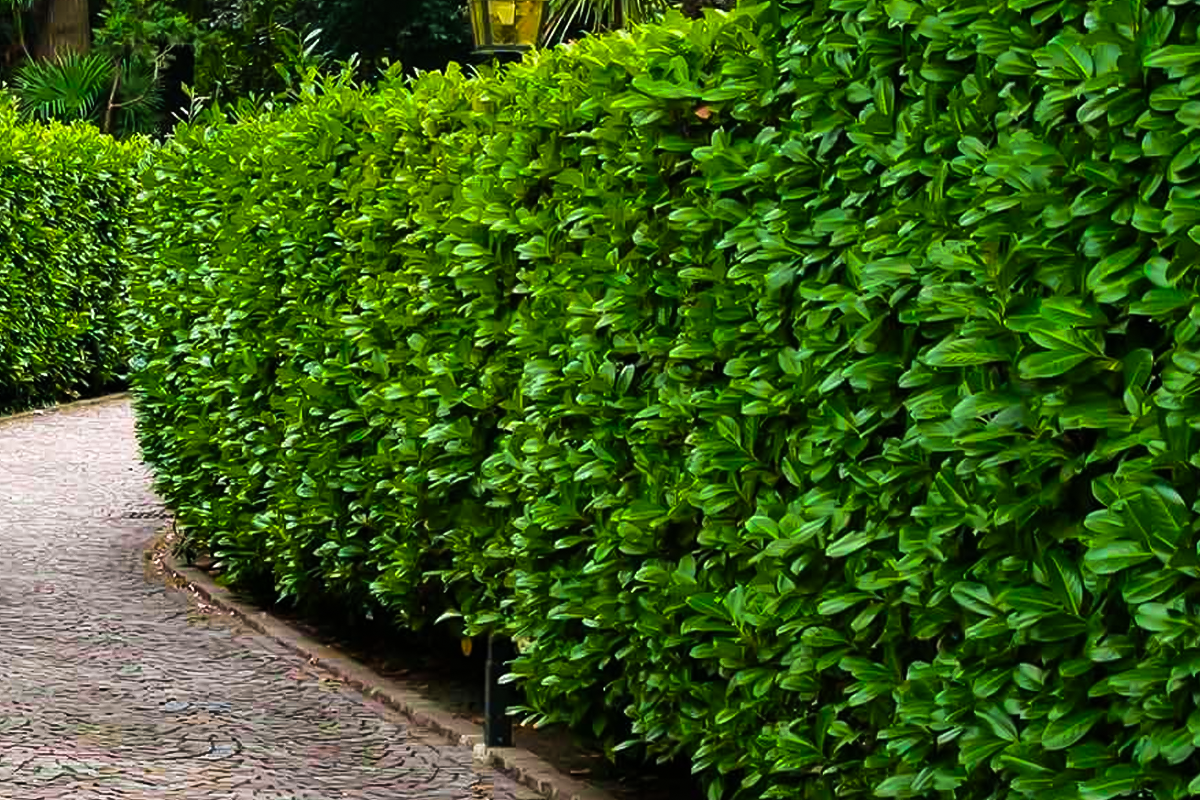
Recently, we received a call on the Bloomers in the Garden Hotline from a listener named in Madison, New Jersey, who expressed concern about his skip laurels. These once-vibrant plants, installed by a local landscaper around a year ago, have begun to turn yellow as winter draws to a close. The caller observed that the landscaper left the burlap bags around the root systems when planting and wanted to know if this was a problem.
Understanding the Role of Burlap
First and foremost, let’s clarify the burlap issue. It is generally okay to leave the burlap on the root ball of plants when they are planted. The burlap will eventually decompose in the ground and won’t likely cause any harm. However, if the plants were tied with synthetic twine—and sometimes this twine is bright orange—it is essential to cut that because it won’t break down and could potentially girdle the plant as it grows. Given what the caller described, it seems that the installation process was not the root cause of the skip laurels’ distress. Instead, we need to consider other factors that might be affecting their health—specifically, the harshness of winter.
The Effect of Winter on Skip Laurels
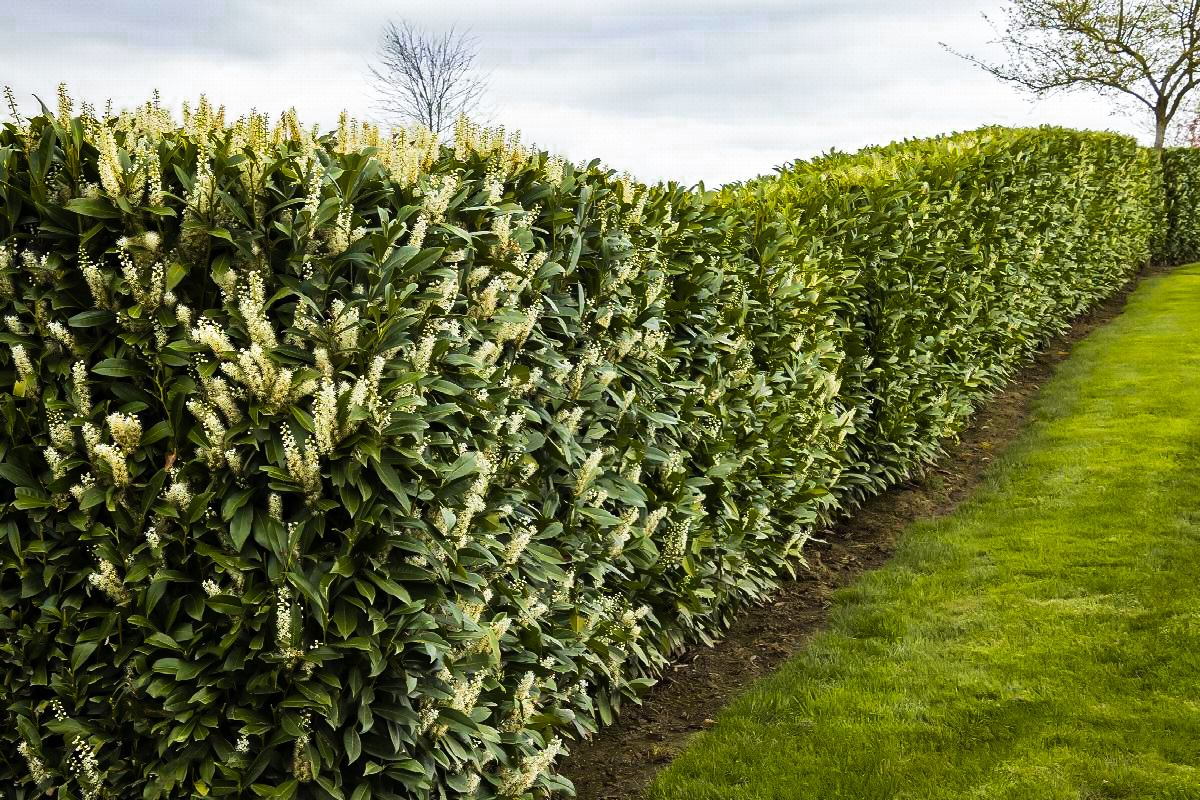
Skip laurels are southern plants that have become popular in northern regions as an evergreen hedge. While they are beautiful and resilient, they still require proper care to survive harsh winters. Unfortunately, this winter has been particularly cold and windy, which can lead to winter burn—a condition where the moisture in the leaves evaporates more quickly than the roots can supply it, especially in new plantings that haven’t yet established extensive root systems. If your skip laurels are looking yellow, they’re probably suffering from winter burn. The good news is: they’re likely still alive. Their new growth, which will emerge in the spring, can cover up any dead or damaged areas.
How to Help Your Skip Laurels Recover
1. Watering: Make sure to water your skip laurels regularly, maintaining a moist—not soggy—environment around the root zones. This hydration will encourage new growth to emerge.
2. Pruning: To assess the health of your plants, consider taking some pruners outside. Cut a small branch about six inches down from the tip. If the inside of the branch is green, that’s a good sign! If it’s crispy and dry, you may have some issues, but don’t despair—skip laurels are incredibly resilient and can bounce back surprisingly well.
3. Feeding: Fertilization is critical during this recovery phase. Use Holy Tone or similar organic fertilizers designed for acid-loving plants. A water-soluble fertilizer can provide an immediate nutrient boost, encouraging the plants to push out new growth.
4. Future Protection: If your skip laurels survive the winter and thrive next fall, consider applying an anti-transpirant product like Wilt Stop. This product works like “chapstick” for plants, sealing moisture in the leaves and helping them withstand the dry conditions of winter.
Dealing with Cherry Laurels
If you have cherry laurels in your garden, keep an eye out for a condition often mistaken for insect damage called “shotgun disease.” This issue leads to perfectly round holes in the leaves and is not caused by insects. Instead, it thrives in wet conditions often caused by overcrowded planting or insufficient air circulation. To manage this, it’s advisable to spray affected plants with a fungicide called Mancozeb, which is effective in controlling the disease.
Final Thoughts
Remember, it may take until May to fully assess the health of your skip laurels, so patience is key. Please keep your landscaper in the loop regarding your plants’ recovery, and don’t hesitate to reach out for further questions. We would love to hear how your skip laurels are doing in a month!
Gardening is a journey, and every step—successful or challenging—teaches us something new. Happy gardening!