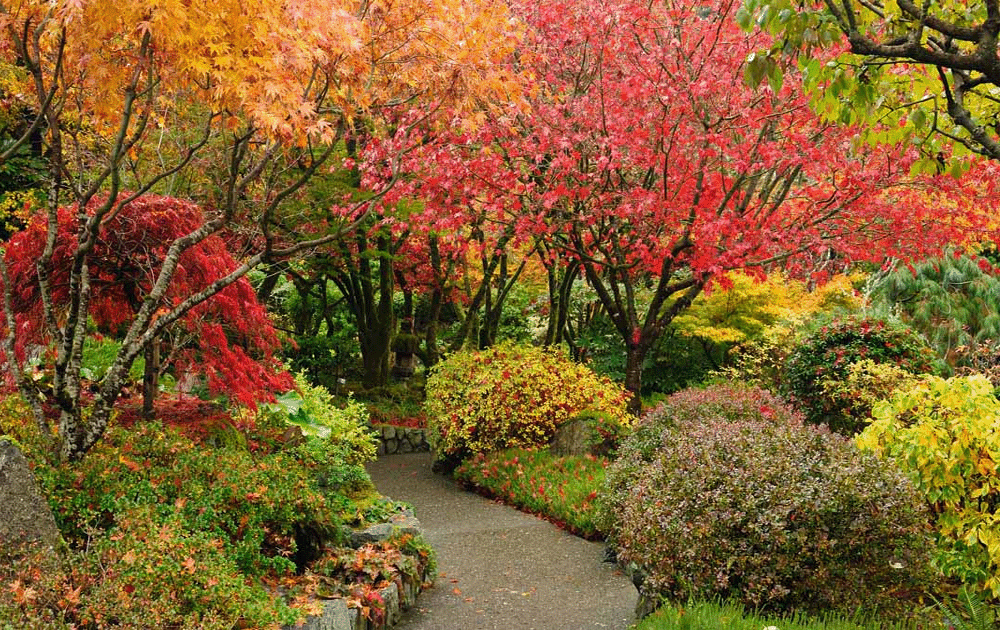
Now that fall has arrived, it’s essential to give your trees and shrubs the care they need to thrive through the winter. The recent dry spell in our area has likely stressed your landscape plants and shrubs, leading to early leaf drop and discoloration, which is especially evident in warmer areas. Even established plants require supplemental watering during this transition, as cooler nights do not equate to adequate moisture. While the changing colors of leaves can be beautiful, they’re also a sign that your plants need attention to ensure they make it through the harsher weather ahead.
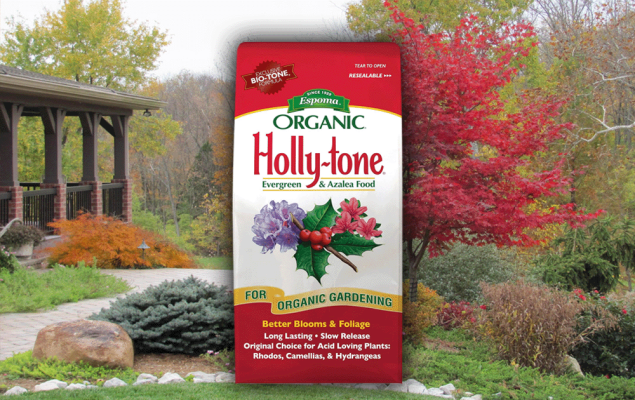
One of the best ways to prepare your landscape for winter is to apply a granular organic fertilizer like Holly Tone to your shrubs and trees. This product provides essential nutrients and supports root development as temperatures drop. Specifically, Holly Tone is beneficial for acid-loving plants such as Japanese maples and dogwoods, while Tree Tone can be used for shade and flowering trees. Fertilizing now and again in early spring can significantly impact their health and vigor, allowing them to recover from the heat of summer and thrive when spring arrives.
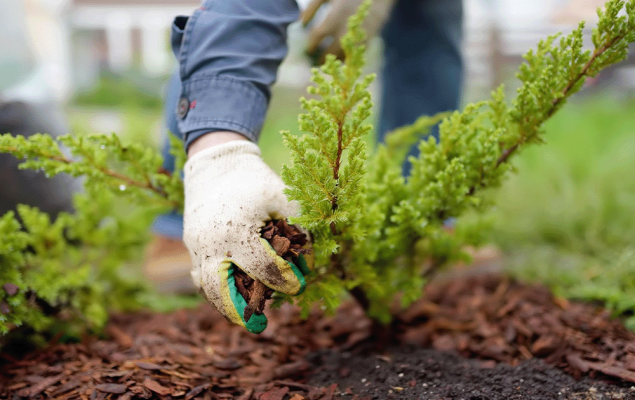
Mulching is another vital step in winter preparation. A layer of mulch, about two to three inches thick, helps retain soil moisture and regulates temperature. Replenishing mulch, especially if it has compacted or degraded over time, not only protects your plants from extreme weather fluctuations but also adds organic matter to the soil as it breaks down. Additionally, removing old mulch is essential to eliminate any potential pathogens or pests that could harm new growth in the spring.
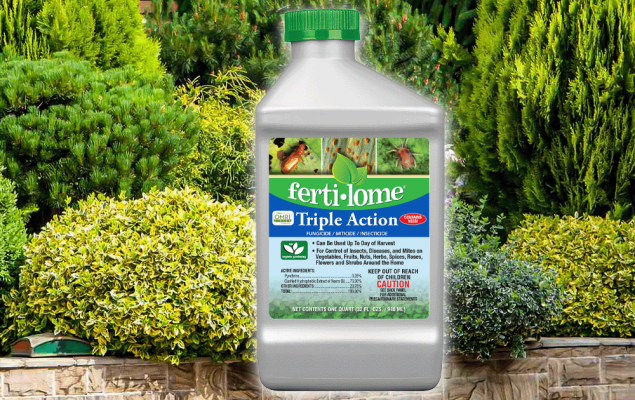
Pest management through the application of systemic insecticides is a critical part of preparing your landscape. These chemicals make plants toxic to harmful insects, effectively protecting your trees and shrubs from spider mites, lace bugs, and other common pests. Although some may hesitate to use chemicals, the timing and application method can mitigate harm to beneficial insects like bees. Spraying during the late afternoon, when bees are less active, helps ensure safety while effectively managing pest populations.
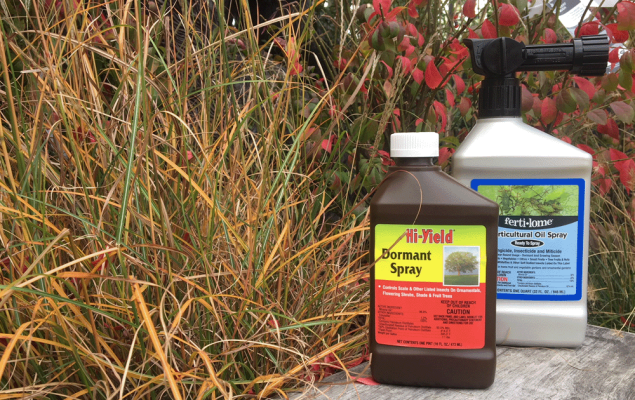
Looking to the future, a dormant oil spray should be applied about two weeks after your systemic insecticide. This product coats the leaves and stems, smothering any remaining pests and their eggs. It’s especially useful on deciduous shrubs once fall foliage has dropped, as this allows for better coverage and effectiveness. Prevention is key in keeping your plants healthy, so making this additional effort will ensure minimal pest issues come springtime.
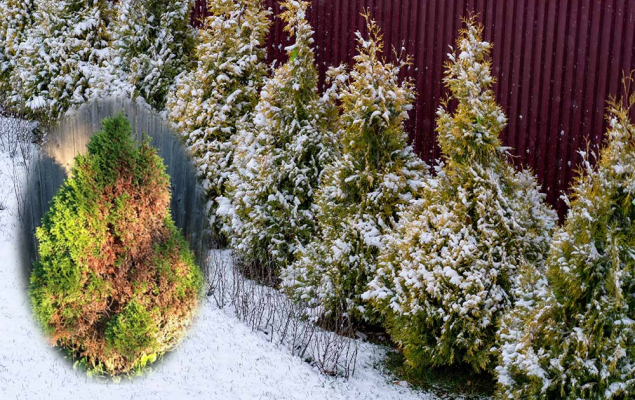
Lastly, consider utilizing anti-transpirants for your broadleaf evergreens and boxwoods, especially if planted in windy areas. These products create a protective film that reduces water loss, minimizing winter burn. Applying anti-transpirants during mild weather above freezing can make a significant difference in preserving moisture through the cold months. With these manageable tasks, you can help ensure your landscape not only survives the winter but thrives come the return of warm weather.