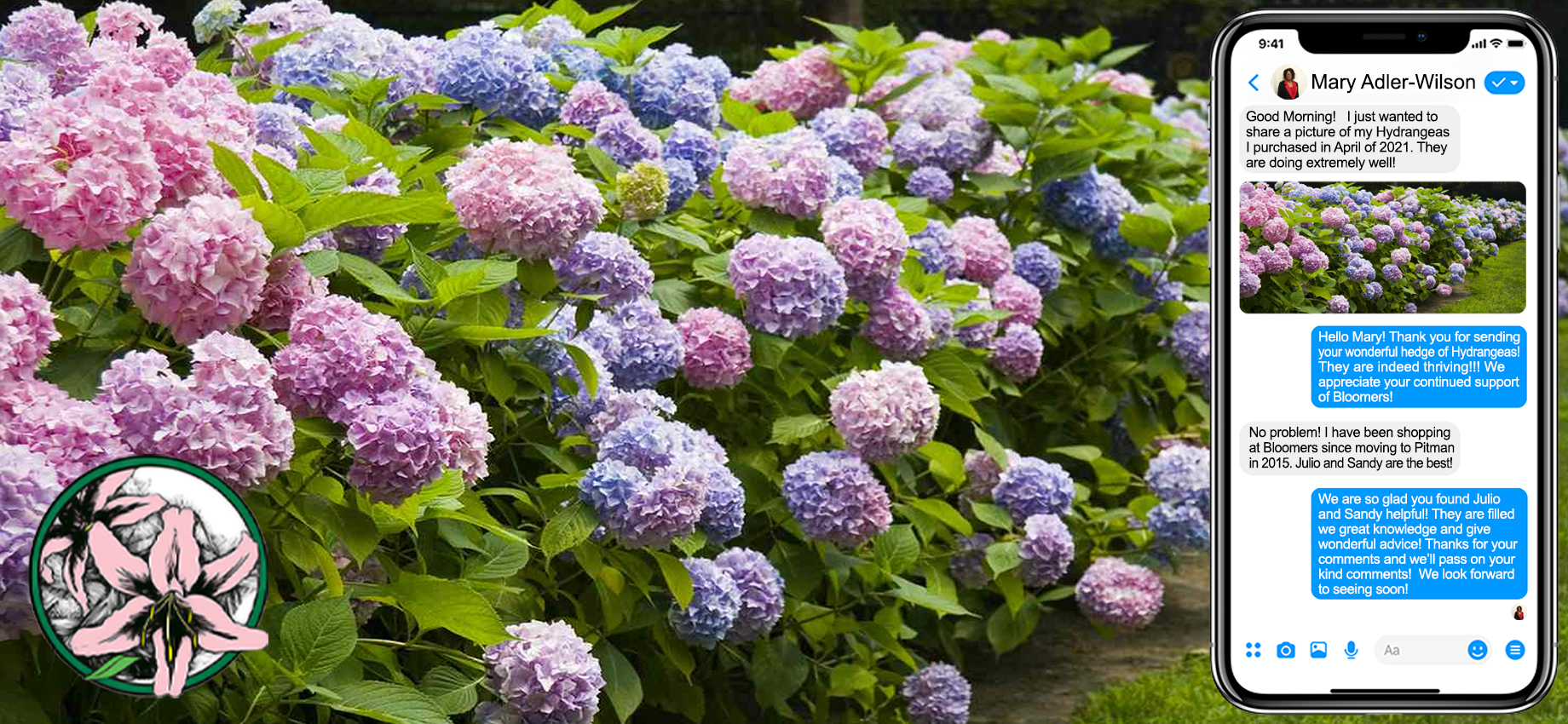

Hydrangeas are a type of flowering plant that are popular for their beautiful, big blooms. Do you know about the four types of hydrangeas?
Mophead Hydrangeas
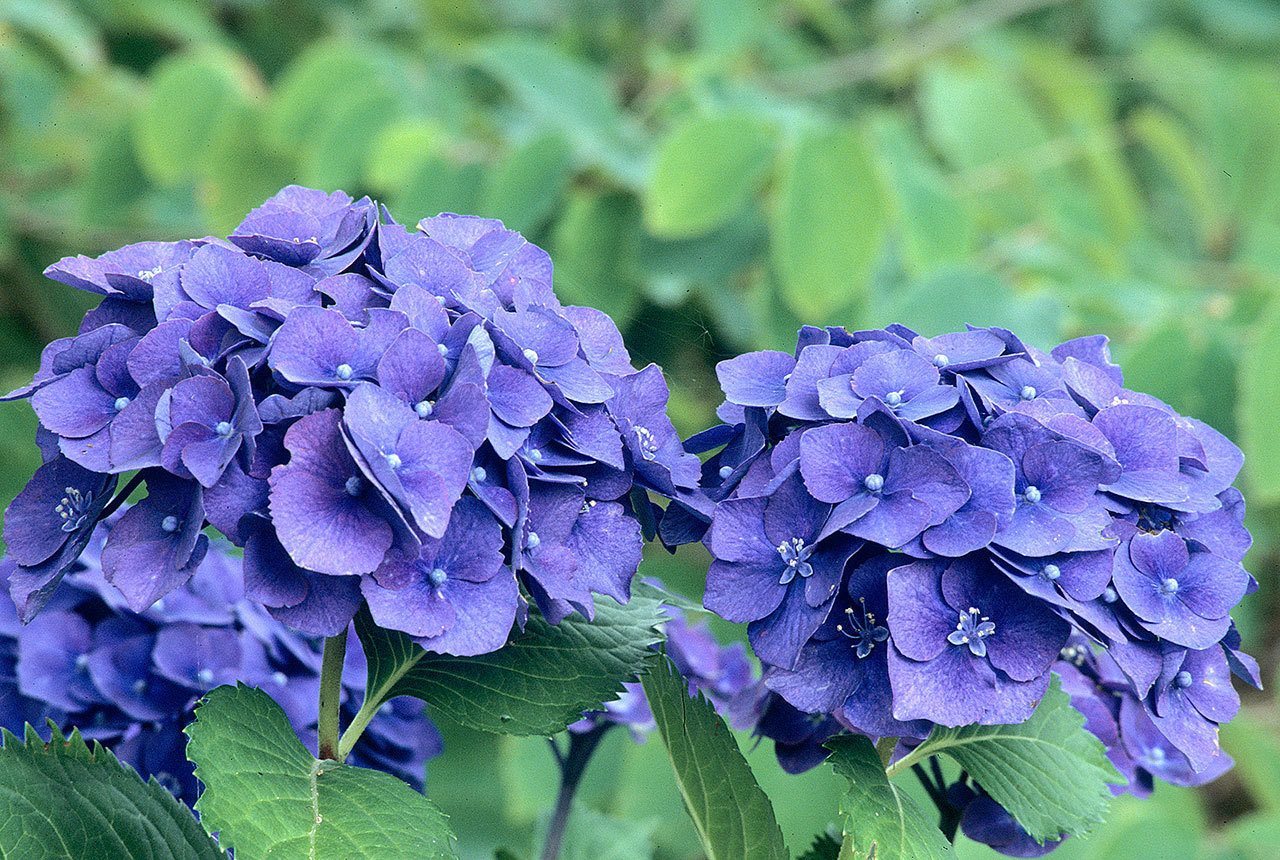
Mophead hydrangeas are the most common type of hydrangea and are known for their large, round flowers that are usually blue or pink. They’re often referred to as “mop heads” due to their shape. These plants typically bloom in the summer and can be found in many nurseries and garden centers.
Panicle Hydrangeas
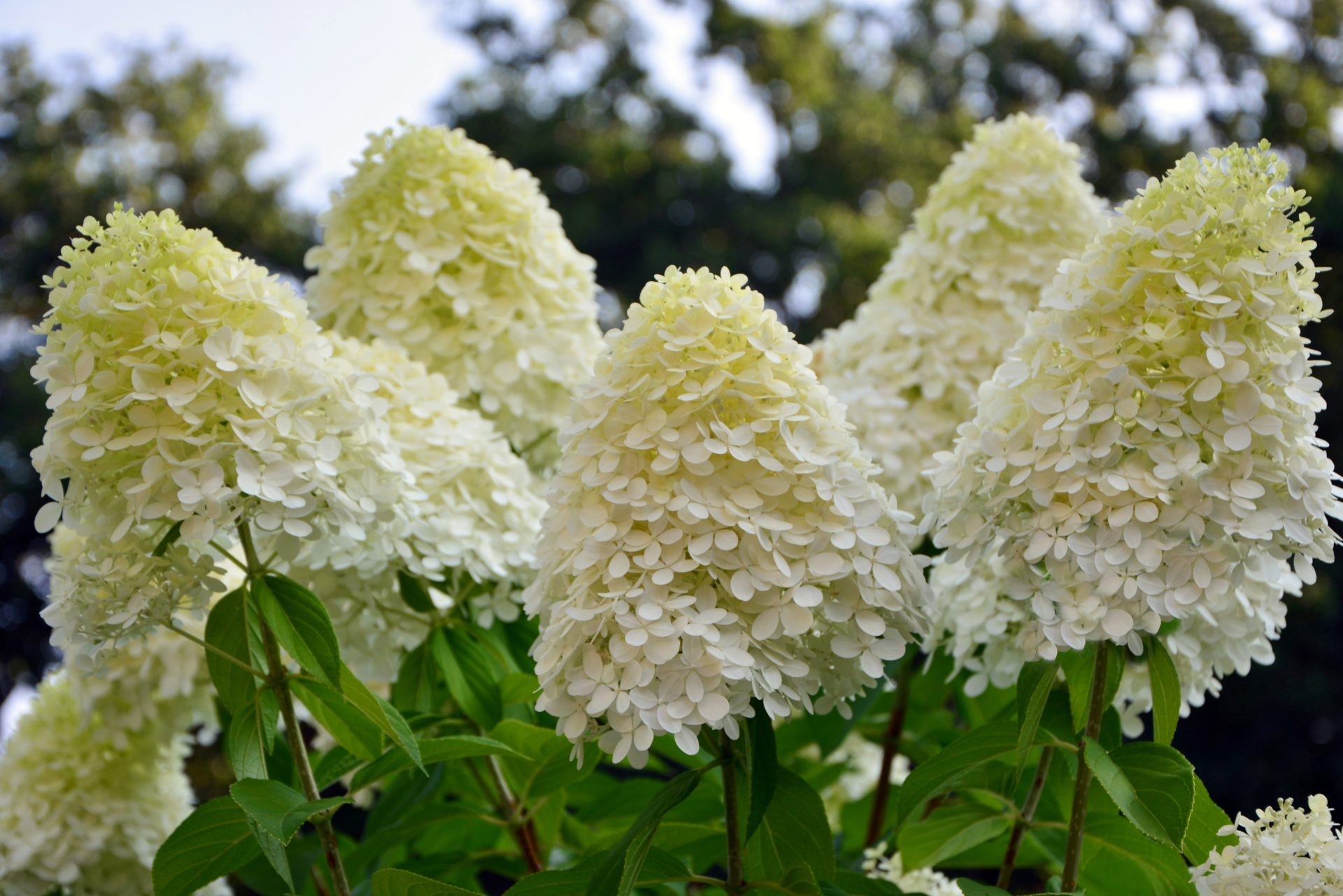
Panicle hydrangeas have a unique cone-shaped flower that’s quite different from the mop head shape. They come in a variety of colors, including white, pink, and red. These plants are also known as “limelight” hydrangeas due to their vibrant colors.
Oakleaf Hydrangeas

Oakleaf hydrangeas have leaves that resemble oak leaves and can thrive in dry locations. Their flowers are typically white or pale pink and bloom in the late summer. These plants are great for adding texture and interest to your garden.
Smooth Hydrangeas
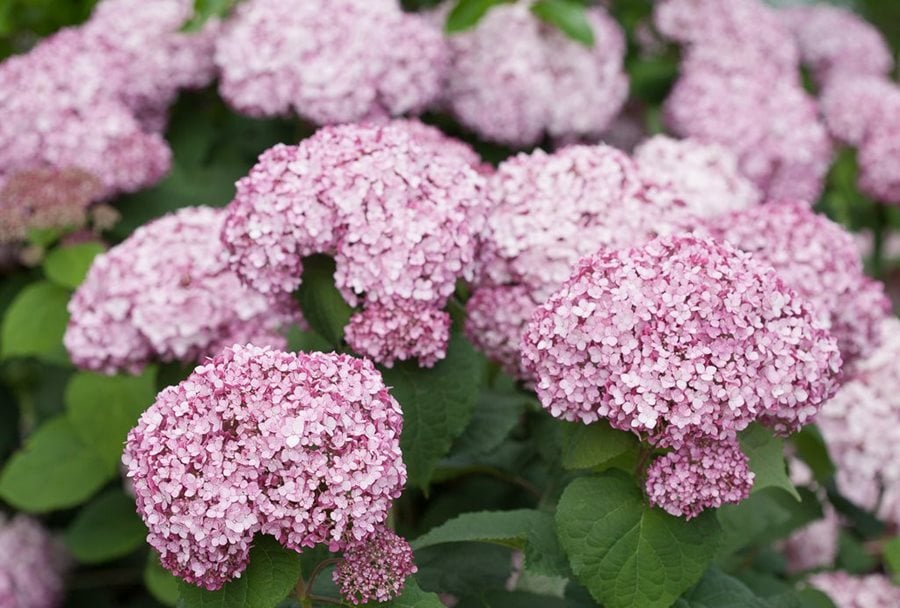
Smooth hydrangeas have a unique appearance and can bloom in shades of white and pink. They’re often referred to as “arborescent” hydrangeas due to their woody stems. These plants can grow quite large and make a beautiful statement in your garden.

Caring for Hydrangeas: Tips and Tricks
When it comes to caring for hydrangeas, many gardeners face common questions and concerns. In this post, we’ll delve into the world of hydrangeas and provide you with valuable tips and tricks for keeping these beautiful plants thriving.
Soil and Sun Requirements
Hydrangeas prefer well-draining soil that’s rich in organic matter. They also require partial shade to full sun, depending on the variety. Some hydrangeas can thrive in dry locations, while others prefer moist soil. Make sure to check the specific needs of your hydrangea variety to ensure you’re providing the right conditions.
Pruning Hydrangeas
One of the most important aspects of caring for hydrangeas is pruning. Pruning your hydrangeas at the right time can encourage new growth, promote blooming, and maintain their overall health. For mop hydrangeas, prune them back after they’ve finished blooming. For panicle hydrangeas, prune them in late winter or early spring. And for smooth hydrangeas, prune them back after they’ve finished blooming, or in late winter or early spring.
Watering and Fertilization
Water your hydrangeas regularly, but avoid overwatering. Fertilize them annually with a balanced fertilizer in the spring. Avoid using high-nitrogen fertilizers, as they can promote weak growth.
Pest and Disease Management
Keep an eye out for pests like aphids, spider mites, and scale. Regularly inspect your plants for signs of disease like powdery mildew, leaf spot, or root rot. Use organic or chemical controls as needed to prevent infestations and infections.
Repotting and Mulching
Repot your hydrangeas every 2-3 years to provide fresh soil and a larger pot if necessary. Mulch around the base of your plants to retain moisture, suppress weeds, and regulate soil temperature.
Pruning Hydrangeas
Pruning is an important part of caring for your hydrangea plants. The best time to prune depends on the type of hydrangea you have. Mop hydrangeas should be pruned after they finish blooming, while panicle hydrangeas should be pruned in late winter or early spring. Oakleaf hydrangeas can be pruned at any time, but it’s best to do so in the late winter or early spring.
In conclusion, there’s more to hydrangeas than just their beautiful blooms. By understanding the different types of hydrangeas and how to care for them, you can add these lovely plants to your garden and enjoy their beauty for years to come. By following these simple tips and tricks, you can keep your hydrangeas healthy, happy, and blooming beautifully all season long!
Check Out This Bloomers in the Garden Radio & Podcast Clip all about taking Hydrangeas!
Special Thanks to Mary for sending us a picture of her Hydrangeas to us via Facebook that she purchased from Bloomers in 2021.