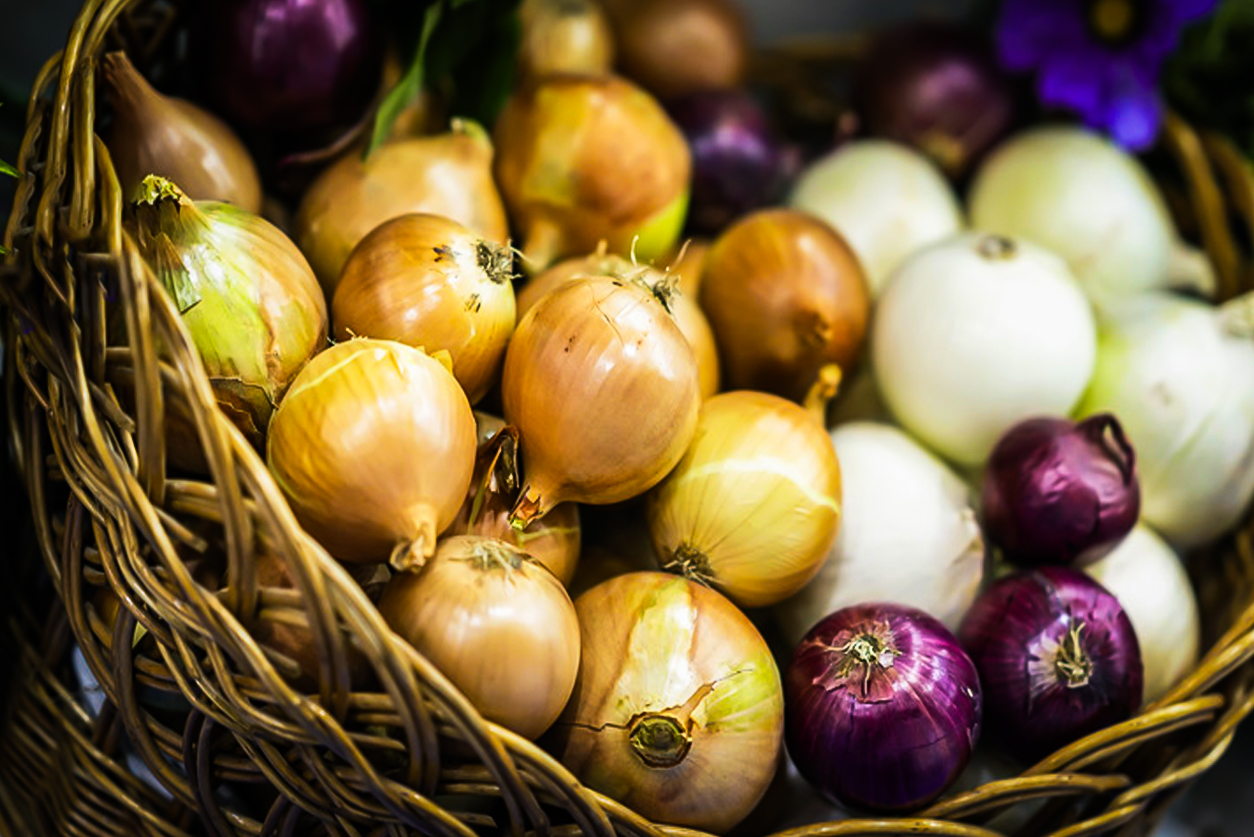
Now that Fall is in full swing, it’s time to turn your attention from tomatoes and peppers to some fantastic fall crops—garlic and onions! These vegetables not only thrive when planted during the cooler months, but they also develop richer flavors compared to their spring-planted counterparts. In this guide, we’ll explore the benefits of planting garlic and onions in the fall, along with some handy tips to ensure a bountiful harvest next summer.
The Right Start: Choosing Between Sets and Seeds
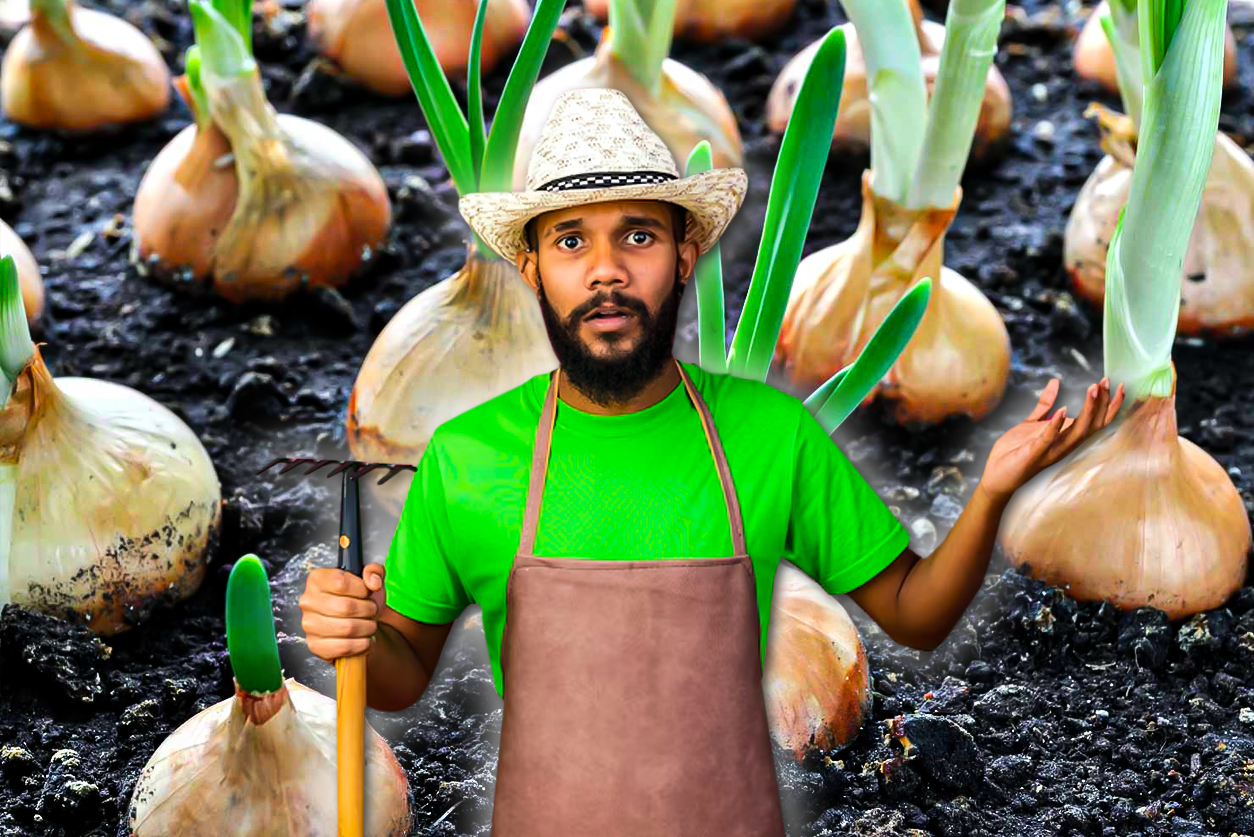
When it comes to planting onions, the choice between onion sets and seeds is crucial. Onion sets, which are essentially small baby onions, are the recommended option since they’re easier to work with and yield better results. While you can plant seeds, they take longer to grow and often don’t perform as well. As for garlic, it’s important to select the right type; the garlic from your local grocery store may not be suited for planting. Instead, head to your local garden center and invest in quality garlic bulbs designed for your area.
Preparing Your Soil: The Foundation of Success
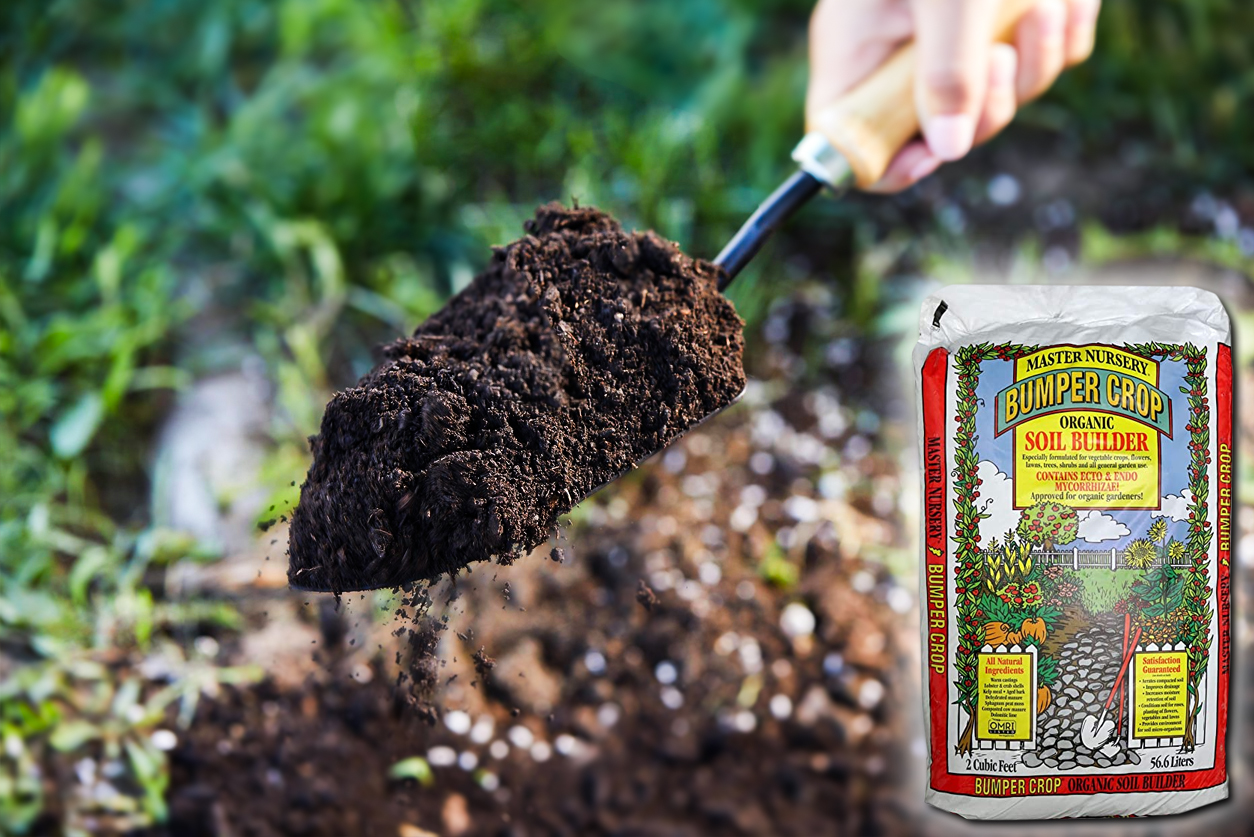
Bumper Crop Cu Ft Bag | $19.99 | Buy 10 or More Bags for Only $17 Each
Before planting, preparation is key. Soft, well-draining soil is essential for successful growth, especially in the case of onions and garlic. Heavy clay soils can stunt root development, so mixing in organic matter like Bumper Crop can significantly improve soil texture. A good rule of thumb is to aim for a soil mix that includes sand, organic matter, and a bit of clay to hold nutrients and moisture effectively. Bumper Crop’s Organic matter breaks down slowly, providing a steady supply of nutrients throughout the winter, leading to a more vibrant and productive growing season.
Timing is Everything: Warm Autumn Soil
Ideally, you want to plant your garlic and onions in warm soil that allows them to establish strong roots before winter sets in. Monitor soil temperatures closely and be aware that while mild late autumn days can be deceptive, any planting should be completed with enough time to allow root systems to develop before frost hits. A soil temperature of at least 50°F to 60°F is optimal for planting, as this promotes vigorous root growth. Additionally, consider using a soil thermometer to accurately gauge the warmth of your planting bed, allowing you to determine the best time to sow your crops for a successful spring harvest.
Step-by-Step Planting: The How-To Guide
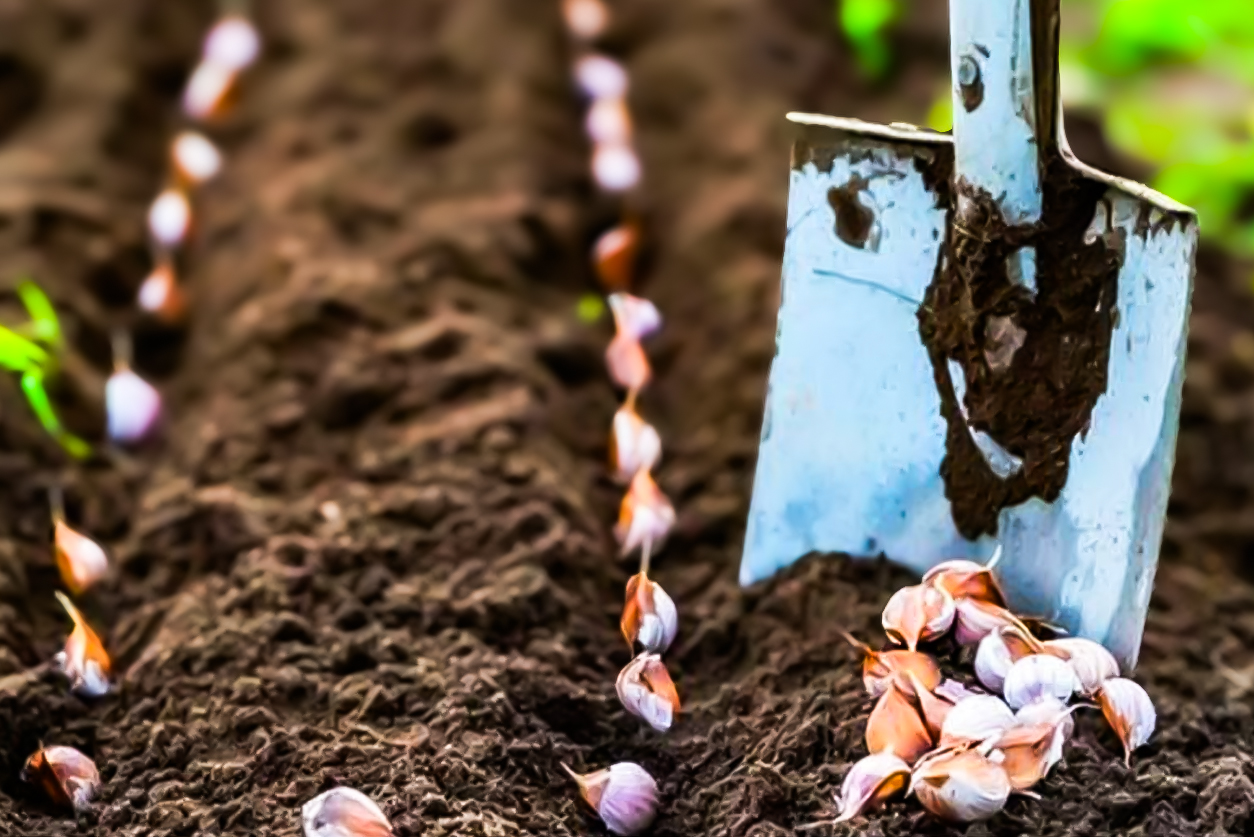
Planting your onion sets is straightforward. Create shallow trenches approximately two inches deep, mixing in Bumper Crop as you go. Space your sets four to six inches apart and cover them lightly with soil. With garlic, remember the ‘pointy side up’ rule; plant the cloves about three inches deep and ensure they’re spaced six inches apart. Don’t forget to mulch your beds with four inches of straw or other light mulch to prevent soil from heaving due to temperature fluctuations.
The Care and Harvest: Patience Pays Off
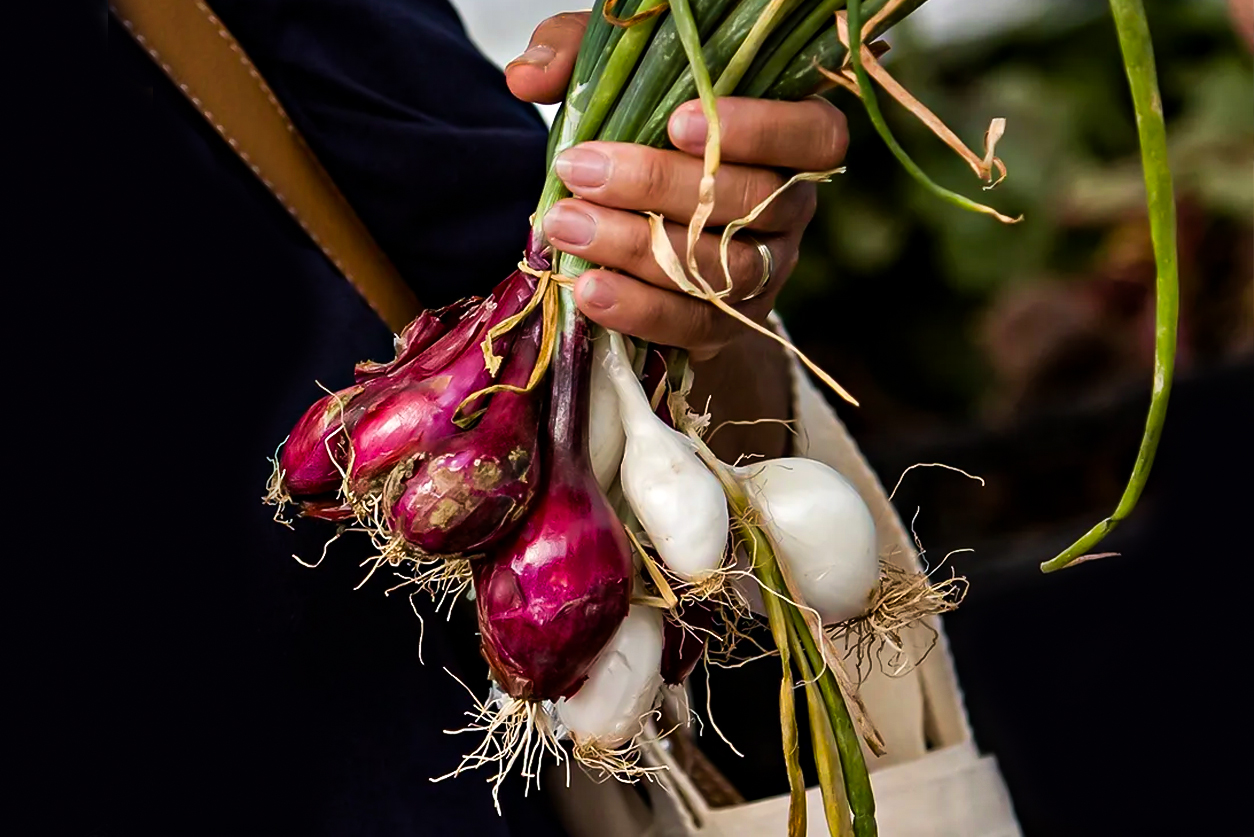
Once planted, both garlic and onions require minimal maintenance, yet patience is indispensable. Onions will produce foliage that yellows when they are ready for harvest, while garlic follows a similar pattern—when at least half of the leaves are yellowing from the bottom up, it’s time to pull them. But resist the urge to rush; proper curing post-harvest is critical for both. Clean them gently without rinsing, allowing their skins to dry and fortify against rot.
Conclusion: Your Flavorful Future Awaits
Planting garlic and onions in the fall not only leads to a flavorful bounty come summer, but it also allows you to optimize your gardening space year-round. They’re relatively simple crops that reward patience and careful preparation. So as you put your summer garden to bed, remember the exciting culinary possibilities that garlic and onions can offer—get planting and make room for the deliciousness to come!