Picture this: it’s a warm summer day, and your out on your patio; suddenly, a spotted lantern fly hops on your lap. You swat at them with everything from a rolled-up newspaper to a mighty 2×4, only to find more sneakily creeping up on you. If you’re like me, you’re probably wondering, “How did we get here?” These pesky critters are everywhere, invading your personal space, and turning your serene outdoor moments into a full-blown battle royale. Let’s dive into the nitty-gritty details of the spotted lantern fly’s life cycle and the chaos they bring to our lives.
The Sneaky Instar Stages:
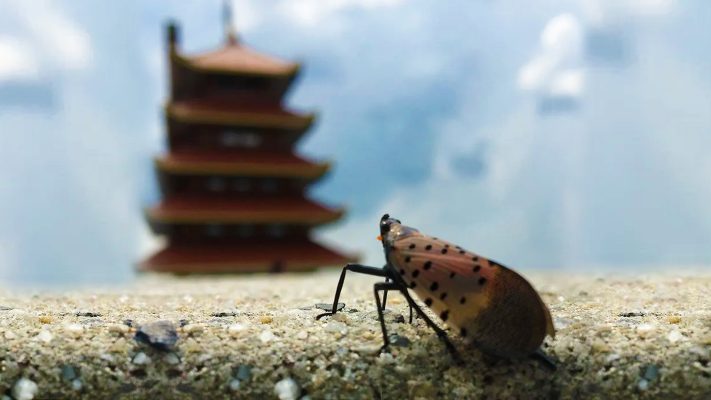
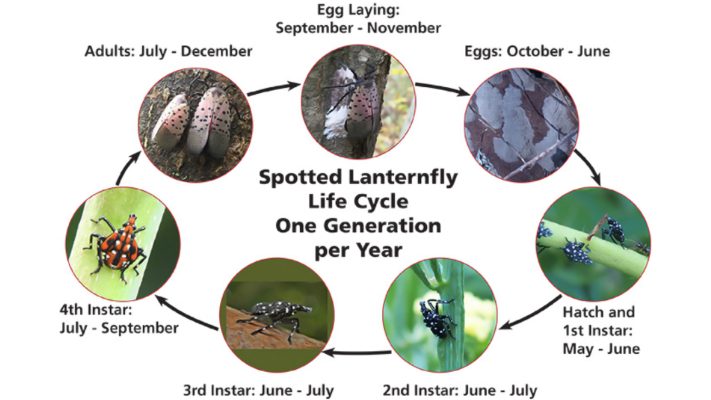
Ah, the spotted lantern fly. They start as these tiny, unassuming creatures, crawling around in their “instar” stages. The fourth instar is where they transform into the orangey-red, half-inch-long creepy crawlies that we’re all too familiar with from July to September. With their long snouts and slow, stink bug-like stealth, they’re a force to be reckoned with. They don’t just crawl; they sneak up on you, giving you the heebie-jeebies like a horror movie villain appearing when you least expect it.
The Seductive Adult Stage:
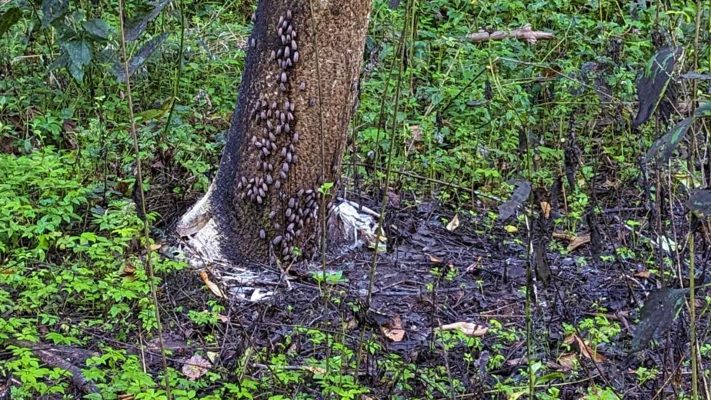
Then, like a moth to a flame, the spotted lantern fly reaches its adult stage, flaunting its leopard-coated, white spotted wings. This “lingerie look,” as we like to call it, is surprisingly appealing for an insect, but don’t be fooled by its good looks. It’s got one thing on its mind: mating. And it’s not shy about it either. These adults can grow up to 2 inches long, and they’re ready to take over your yard and garden, making it their personal love nest.The Tree of Heaven Conundrum:
Now, let’s talk about the unsung hero in this insect soap opera: the tree of heaven. This invasive species is like the Hotel California of the plant world for spotted lantern flies—they can check in, but they never leave. These flies are drawn to it like bees to a flower, and if you’ve got one of these trees in your vicinity, you’re likely dealing with an infestation. The problem? Most of us don’t even know we have them. They blend in, hiding in plain sight, waiting for the perfect moment to strike.The Battle Plan:
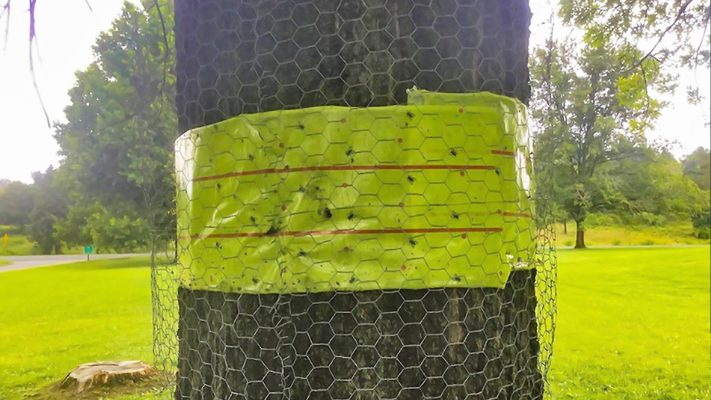
So, what’s the game plan to keep these critters at bay? Are you a fan of music?!? Well, it’s all about the band baby! Wrap your trees with a banding protective barrier, and they won’t be able to lay their eggs come mating season. But beware of those birds that might mistake it for a buffet. To prevent any feathery faux pas, use chicken wire as a spacer to keep them safe. And if you’re not into the whole sticky situation, there’s always the option of spraying them with a bifenthrin. It’s like a superhero for your trees, keeping the spotted lantern flies at bay without causing any harm to the environment.
The Spotted Lantern Fly’s Secret Weapon:
But wait, there’s more! These little buggers have a secret weapon—honeydew. That’s right, not only do they look like they’re wearing designer insect lingerie, but they also leave a sticky, sweet mess everywhere they go. It’s like having uninvited guests who don’t clean up after themselves—so annoying! And let’s not forget that their excrement can lead to mold and mildew on your patio furniture, giving it a not-so-chic blackened look.
The Origin Story:
Where did these little monsters come from, you ask? Well, they hitchhiked all the way from China on a pallet of stone. Who knew that such a beautiful country could give us such a troublesome gift? But here we are, dealing with the consequences of their journey. And just like the Japanese beetle, they don’t seem to have any natural predators here in the U.S., except for the occasional praying mantis doing the Lord’s work.
Conclusion:
As we enter the final stretch of summer, with the spotted lantern fly’s mating season just around the corner, it’s crucial to be vigilant. Keep an eye out for the telltale signs—those black, mud-like egg masses on the trunks of trees or the sneaky crawlies themselves. Don’t let them take over your turf! Arm yourself with the knowledge of their life cycle and the tools to combat them. Whether it’s banding, spraying, or just plain old squishing, do what you must to keep your garden spotted lantern fly-free. And remember, when the first frost hits, it’s game over for them—but until then, it’s us versus them. Good luck, and may the odds be ever in your favor.



 The Tree of Heaven Conundrum:
 The Battle Plan: