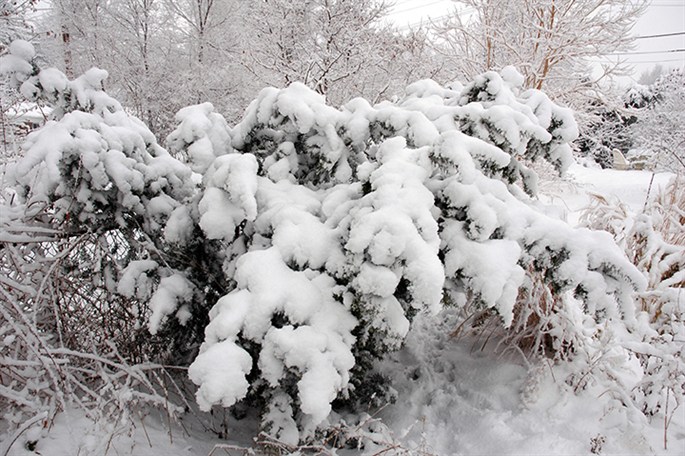
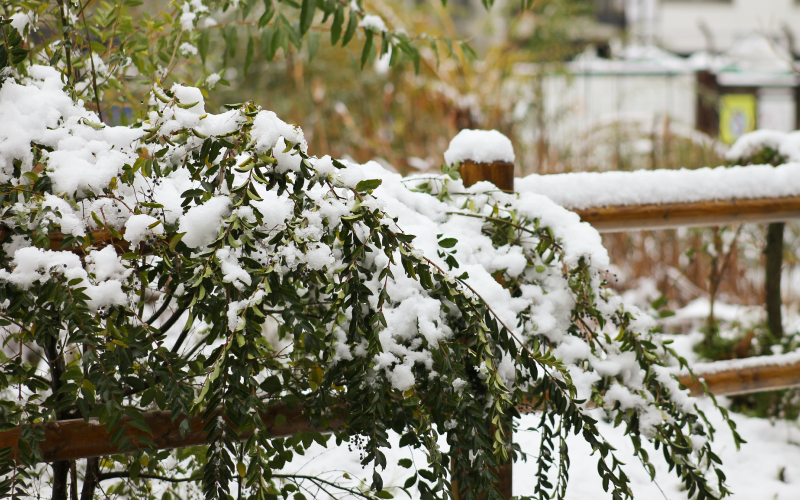
As the snowflakes gently blanket the ground outside, it’s tempting to panic and rush to your garden and take protective measures for your beloved plants. However, before you grab that broom or shovel, it’s essential to remember that nature often knows best. Those heavy, wet snows can create an overwhelming sight, especially when they weigh down fragile branches and foliage to the point of bending. At first glance, it’s easy to fear the worst outcome for your garden. Still, the reality is that most plants are remarkably resilient and can handle a good snowfall. The bending and folding that occurs during this process is a natural response, allowing them to flex and shake off winter’s weight without causing lasting harm.
When you encounter a snow-covered landscape, your instinct might be to intervene and restore your plants to their upright glory. The short answer to how to care for your greenery during these snowy days is: do nothing. Yes, you heard that right! It can be difficult to resist the urge to help, especially when the sight of drooping branches tugs at our hearts. But attempting to knock the snow off branches or sweep it away can cause far more harm than leaving it untouched. Heavy physical intervention can lead to snapped branches, damaged bark, and disfigured plants that won’t recover as quickly once spring arrives. Instead, take a step back and allow nature to run its course. Over time, as the temperatures rise and the snow begins to melt, your plants will naturally adjust—bending back into their original shape without your help.
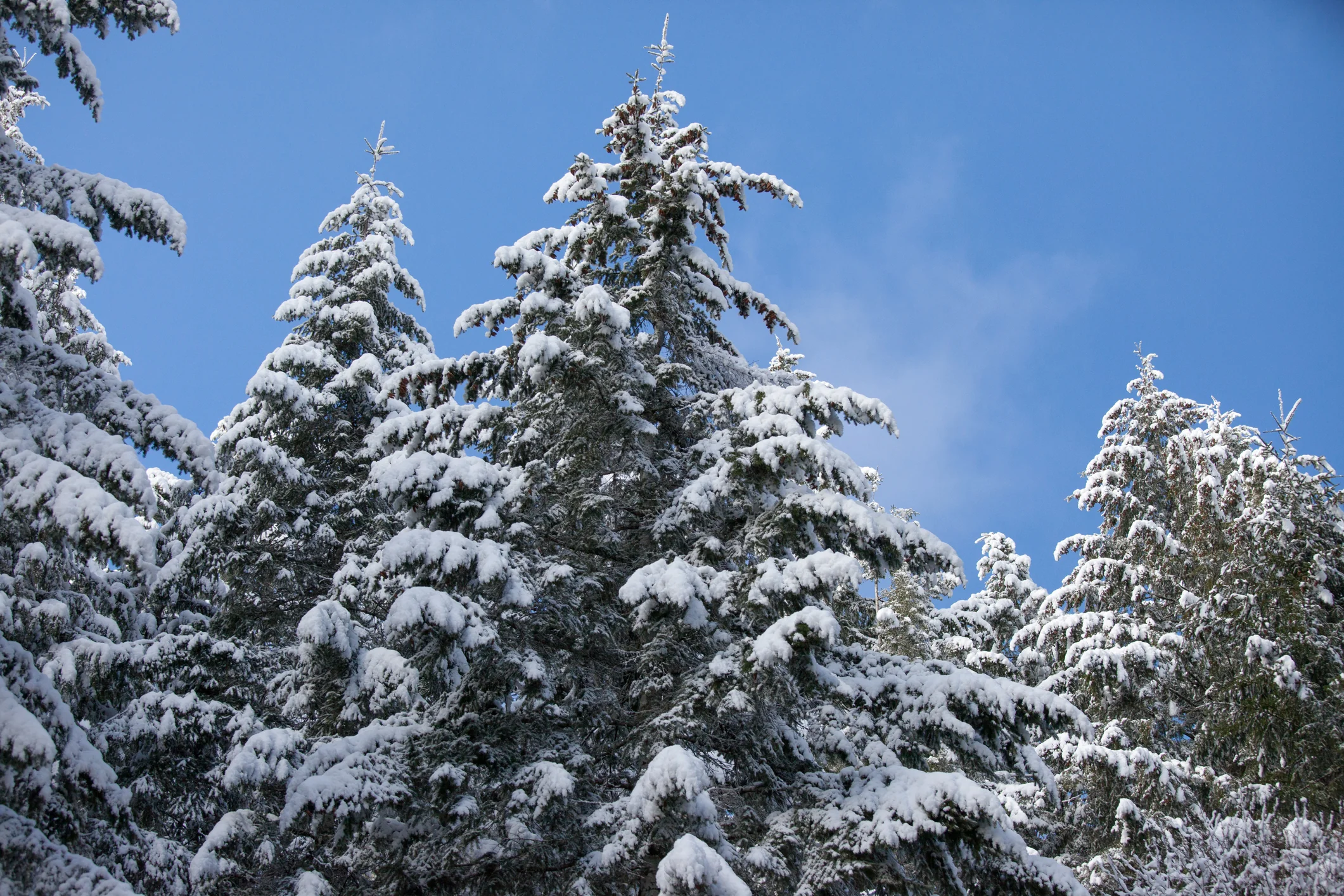
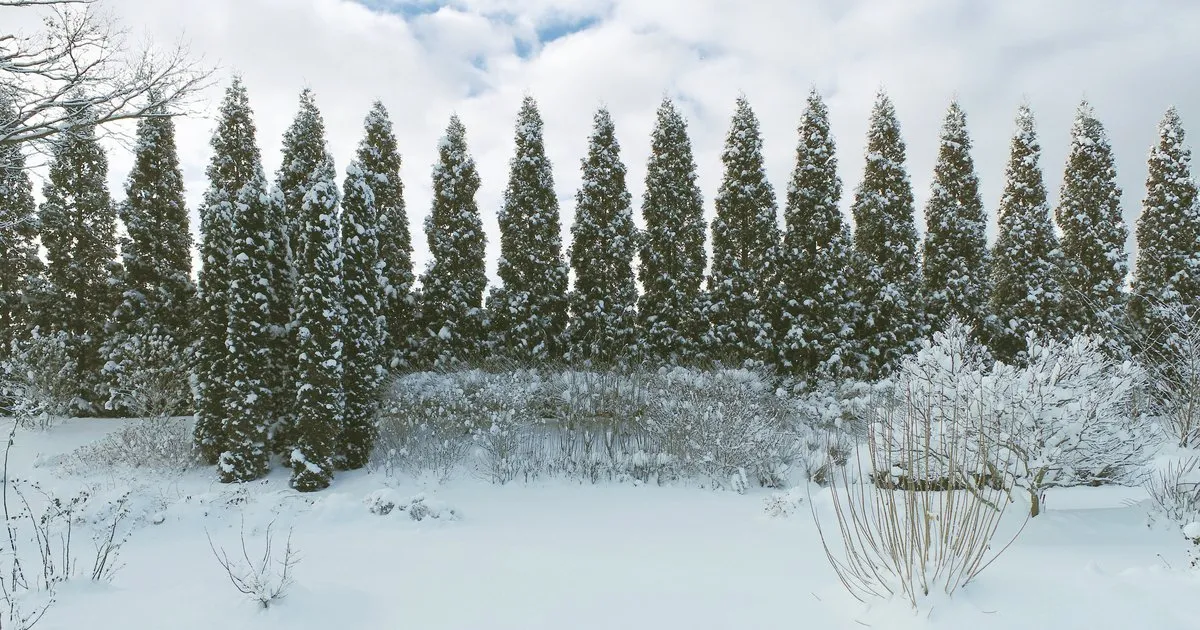
Specific plants, such as arborvitae, leyland cypress, and junipers, are particularly capable of withstanding the weight of heavy snow. While it may seem like they’re struggling under the weight, these hardy plants are designed to endure winter’s challenges. The wet, heavy snow may cause them to droop temporarily, but trust the process—once the sun shines, they will quickly bounce back. It is common for seasonal storms to leave the landscape looking bleak, but the truth is, most vegetation will not only survive but thrive once winter has passed. This ability for self-recovery is a testament to the natural adaptations that many plants possess, allowing them to thrive in their environments.
With the arrival of late winter and early spring, many gardeners find themselves itching to prune their plants, especially hydrangeas, grasses, and perennials that may not look their best. However, it’s essential to exercise patience during this time. Pruning too early can sabotage the growth potential of these plants, so it’s best to wait until they show signs of new life. For instance, hydrangeas that symbolize the beauty of summer blooms should only be pruned after they have finished blooming or once winter is completely over. Similar care should be taken with ornamental grasses and perennials—those wildflower seed heads may appear lifeless, but they serve a vital purpose in attracting local wildlife during the colder months. Leaving these structures intact not only helps support the ecosystem by providing food for our feathered friends but also aids in the protection of these plants as they prepare to grow anew.
So, take a deep breath and savor that warm cup of coffee or delightful hot chocolate while you observe the winter landscape. Instead of worrying, relish in the knowledge that your plants are equipped to handle the snow and will rebound just fine once nature takes its course. Your local wildlife will also benefit from your decision to leave certain plants intact throughout the winter, as the seed heads serve as an important food source for birds and other animals at a time when resources are scarce. So, put another log on the fire, settle into your cozy chair, and let the snow do what it does best—nourish and protect the cycle of life in your garden. You have our permission to relax and watch the beauty of nature unfold.