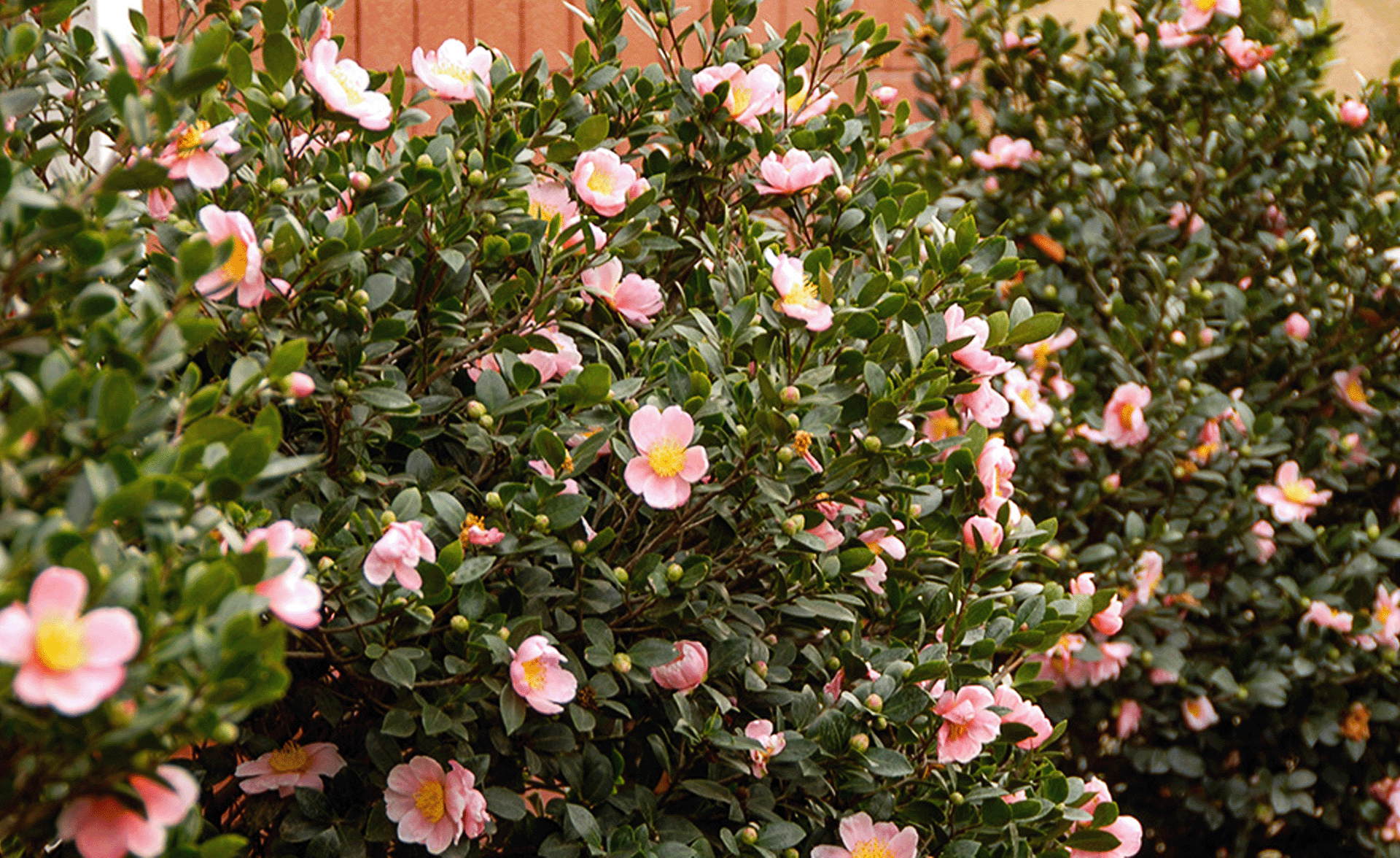
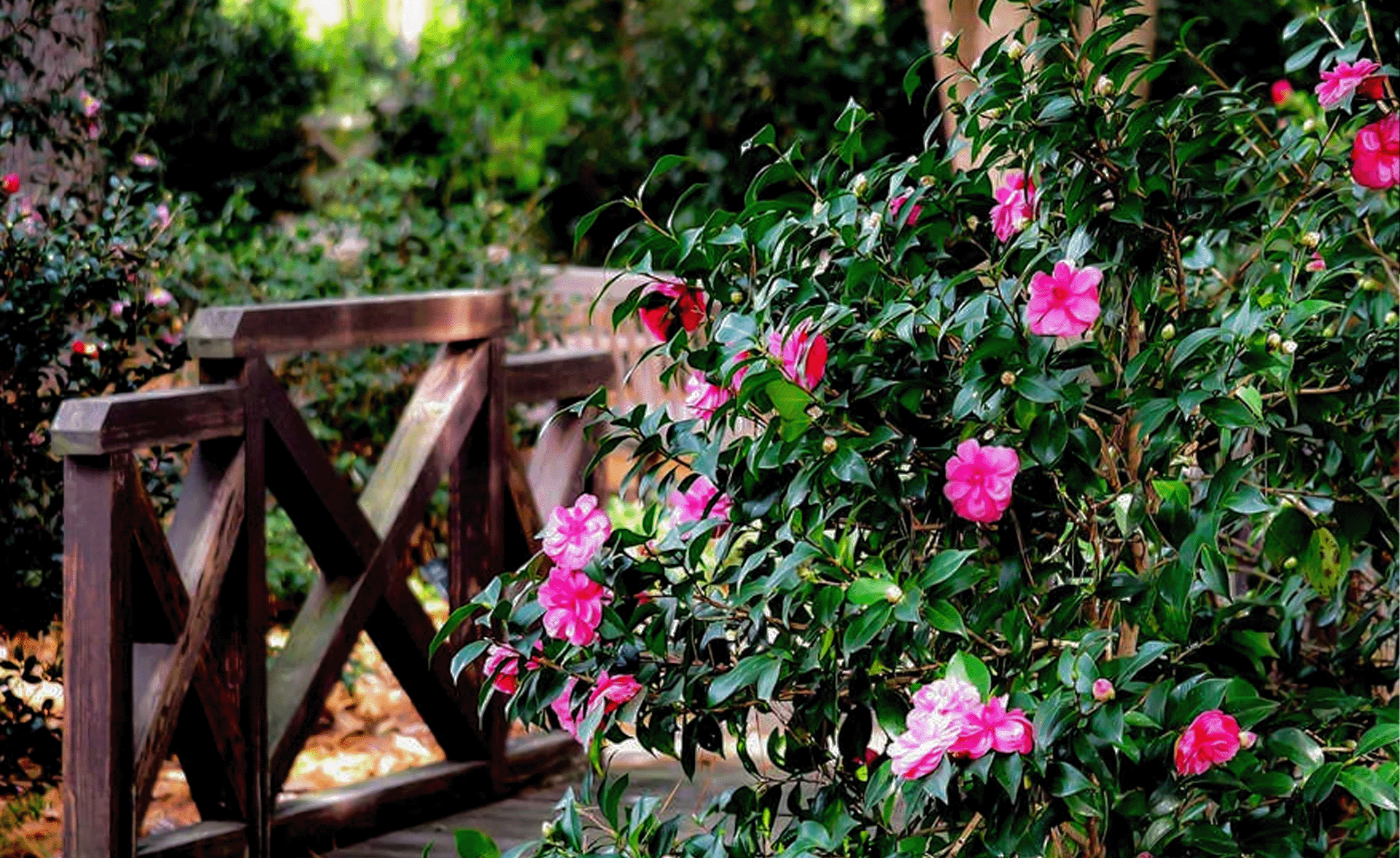
Camellias are truly a beloved evergreen plant that can perform beautifully even in colder climates, debunking the myth that these southern beauties can’t thrive in regions like New York, New Jersey, and Pennsylvania. With new advancements in hardiness, it’s now possible to cultivate specific varieties in Zone 6 and potentially even colder zones with proper precautions, especially protection from harsh winter winds. If you’re wondering whether you can grow this stunning evergreen, the answer is a resounding yes!
Understanding Blooms and Varieties
Camellias bloom during various seasons depending on the type, with notable varieties flowering in the fall, winter, and spring. A personal favorite of the staff at Bloomers, the ‘Yuletide’ variety, graces the garden with stunning deep red flowers splashed with bright yellow anthers, often blooming even in frigid January temperatures. Just imagine walking past this beauty when everything else in the garden is gray; it’s a refreshing spot of color during the winter months. When choosing your camellias, always refer to the tags provided at your garden center, which detail bloom times and characteristics to ensure you pick the right variety for your garden.
Planting Tips for Optimal Growth
Healthy camellia plants can flourish in well-drained, slightly acidic soil, similar to that of rhododendrons. However, to ensure they thrive, you must take their size and space into account. Some varieties may grow to be 15 feet tall, while others, such as ‘Snow Flurry,’ stay more compact at about 4 feet. The choice of camellia variety is crucial, especially if you’re looking for hardiness. For northern climates, you might want to stick with Camellia japonica since they can withstand lower temperatures.
When it comes to planting, spring is the optimal season for camellias. If you happen to find these plants available in the fall, resist the urge to plant them until spring. Seek out your local garden center for the best selection, as chain stores may not carry them. Expert staff can help you select the ideal varieties tailored to your specific environment.
Feeding and Care: Keep Your Camellias Thriving
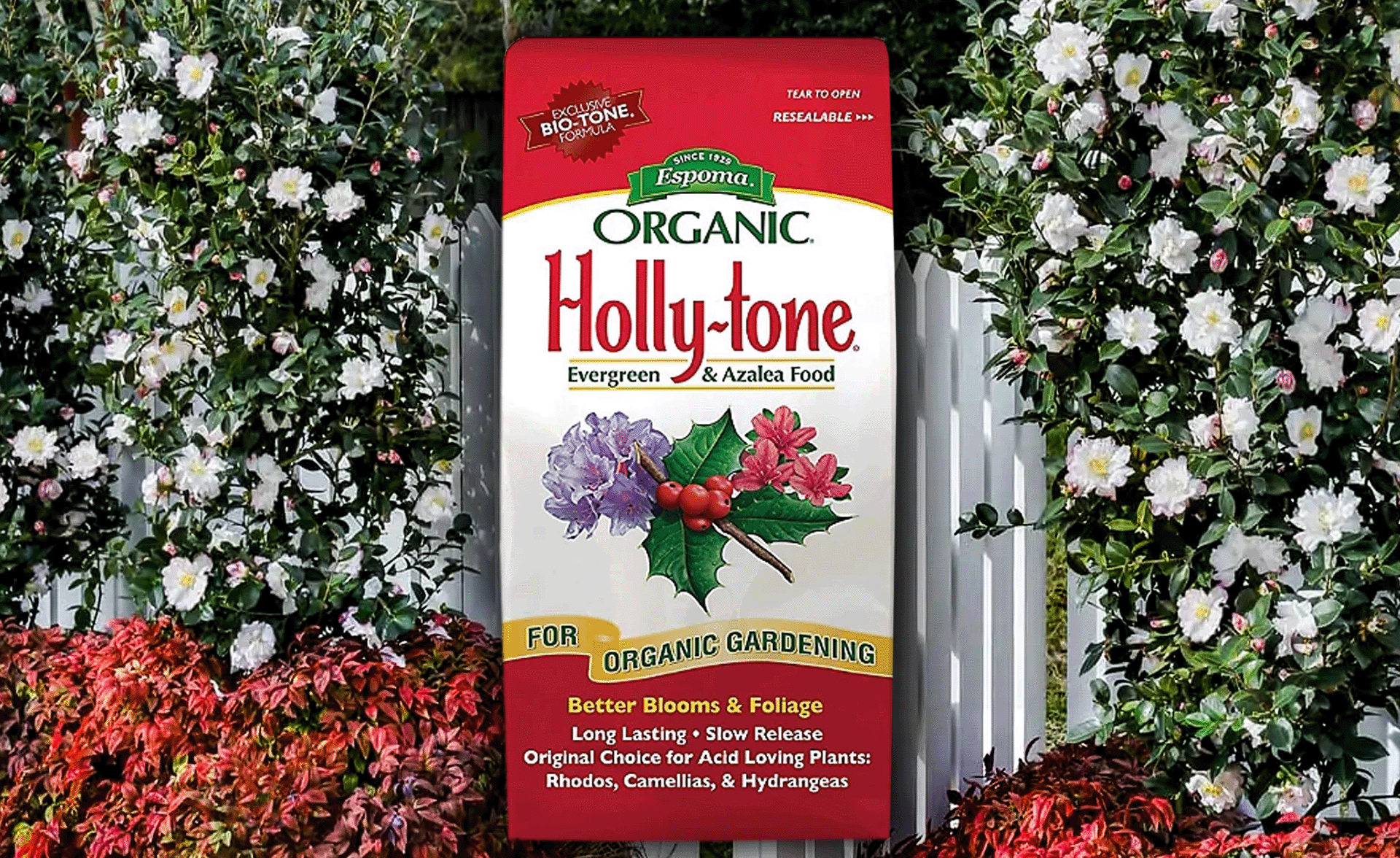
Proper feeding is essential to maintaining vibrant camellias. Using a balanced organic fertilizer such as Espoma Holly-tone in both spring and fall will help provide the necessary nutrients. Additionally, camellias thrive with water-soluble fertilizers specifically designed for acid-loving plants. These fertilizers, often labeled for this purpose, can be diluted and applied every two weeks during the growing season for immediate nutrient availability.
Remember to position your camellias where they’ll shine, such as near a pool or along a walkway, so everyone can admire their lush tropical look. Avoid planting them in hidden spots; instead, showcase their beauty to enhance your landscape.
Final Thoughts on Camellias
In conclusion, every garden would benefit from the elegance and charm of camellias. They stand in beautiful contrast to typical flowering plants and provide year-round interest with their glossy foliage and stunning blooms. Be sure to provide them with the right conditions, care, and love, and you’ll be rewarded with a spectacular display that will have family and friends inquiring about your unique plant choice. So head out to your local garden center and consider adding a camellia or two to your landscape; you won’t regret it!