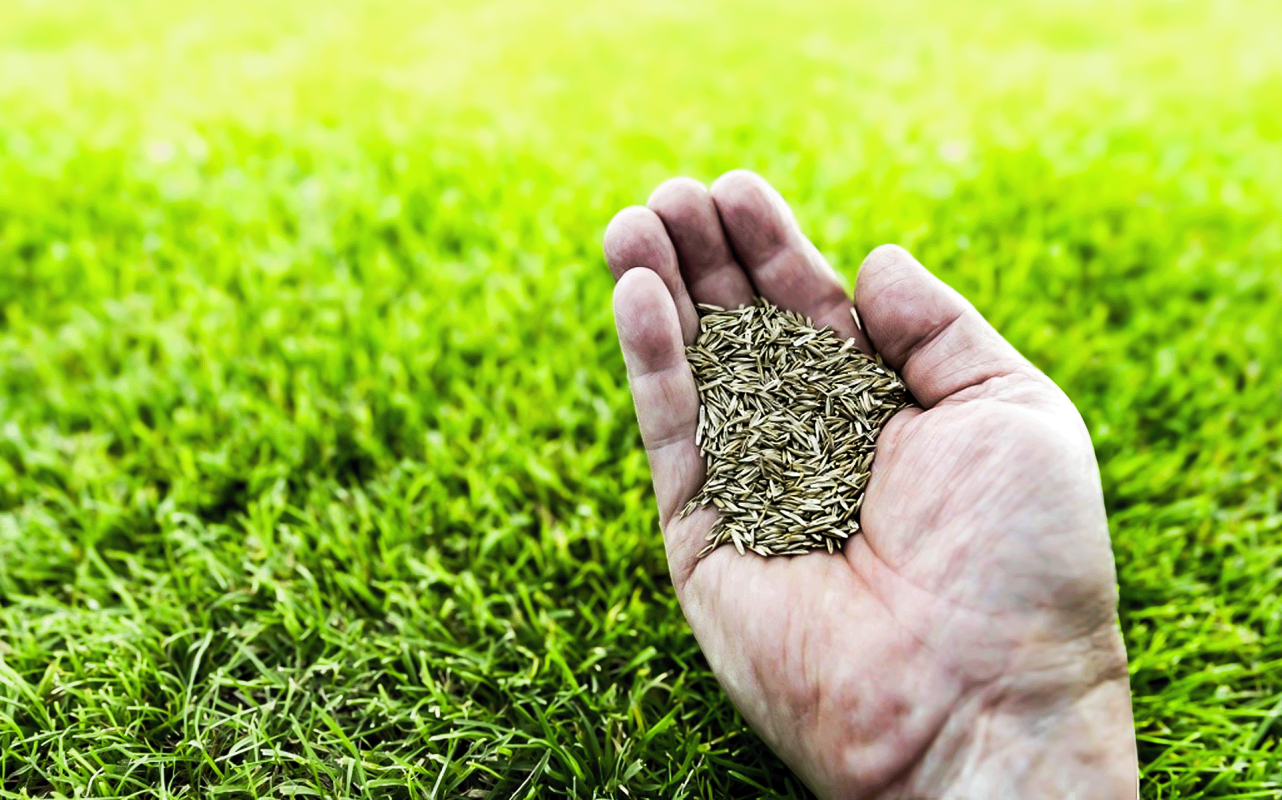
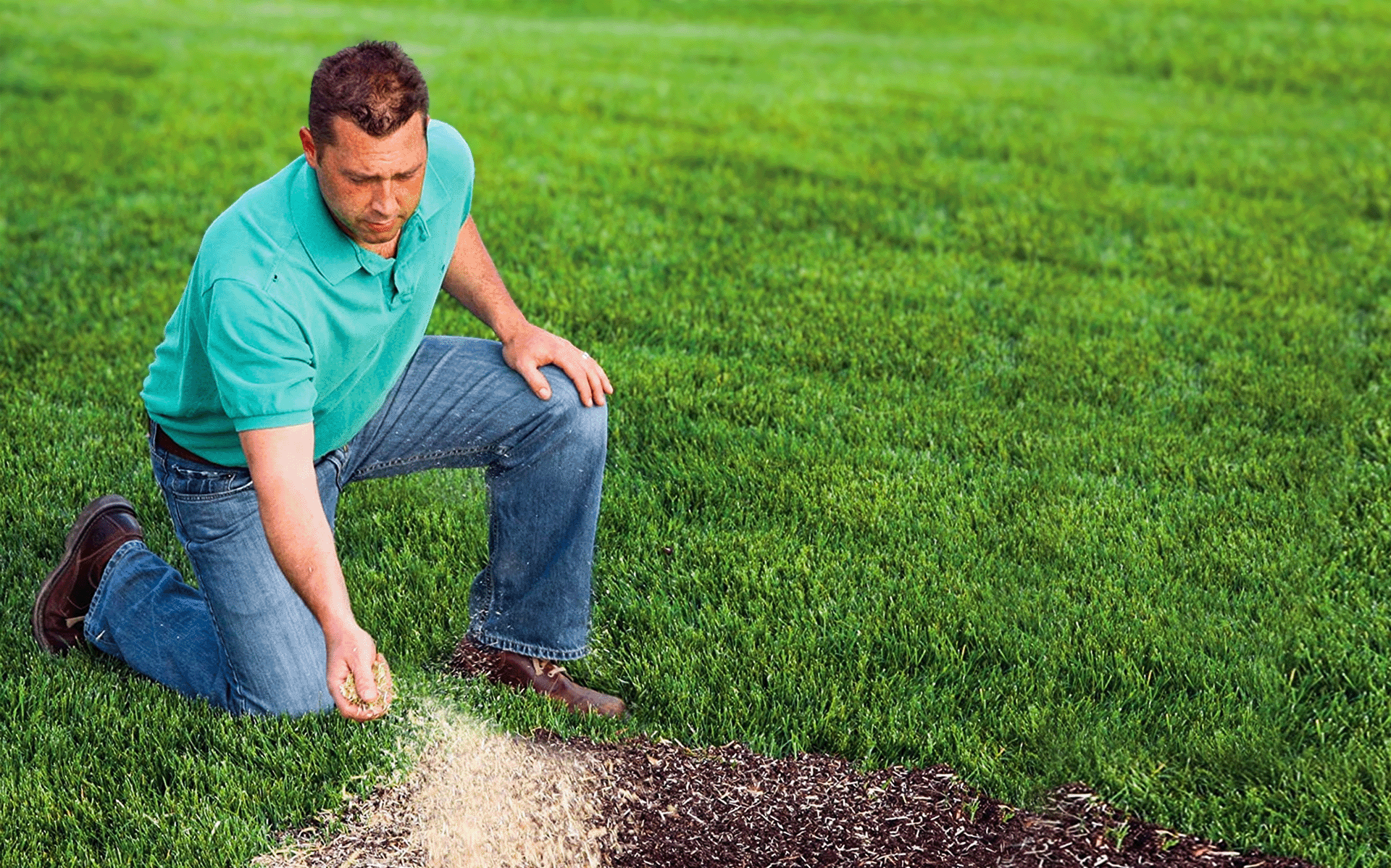
As the temperatures begin to warm, you might be wondering what makes 50 degrees such a magical number for your lawn. It’s simple: grass seed germinates when soil temperatures reach 50°F, and this is the perfect time to get started on your lawn care! Think of it as layering lasagna—each layer is crucial for successful growth. First, you need to prepare the soil by raking away the thatch layer to expose the soil beneath. Simply tossing seed on top won’t work; the roots need to make contact with the soil to survive. Remember, the root is the first to emerge from the seed, so if it doesn’t have a solid foundation, it won’t thrive.
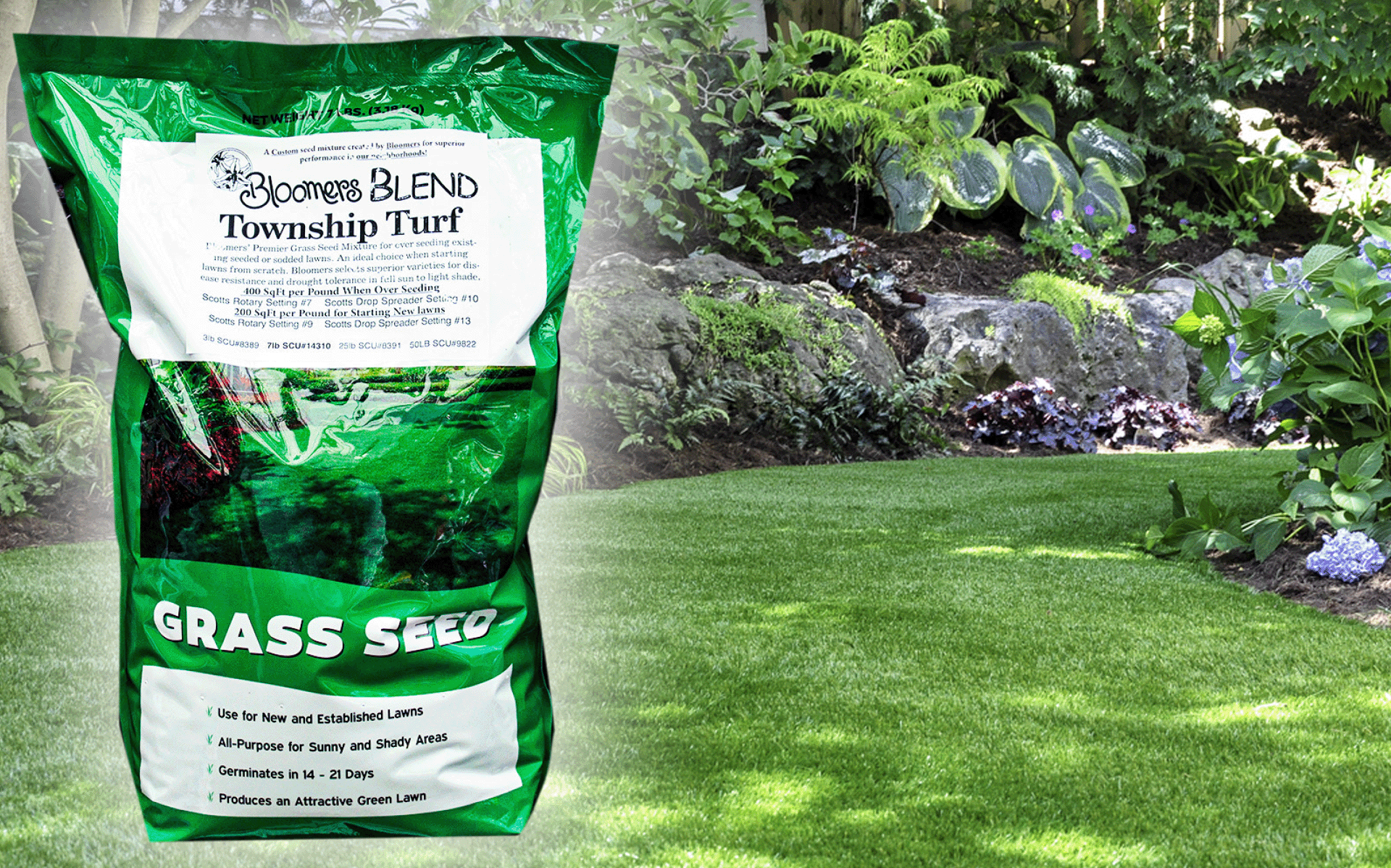
Once you’ve cleared the thatch, it’s time to consider your grass seed options. With the fluctuating prices of grass seed due to previous droughts and fires, now is the time to buy quality seed while you can. Different grasses have varying seed sizes and growth rates; for example, Kentucky Bluegrass takes about 31 days to germinate, while Ryegrass can sprout in as little as 7-10 days. A balanced blend—like our Township Turf mix at Bloomers—provides the best of both worlds, allowing you to take advantage of the quick growth of Ryegrass while benefiting from the durability of slower-growing varieties like Bluegrass.
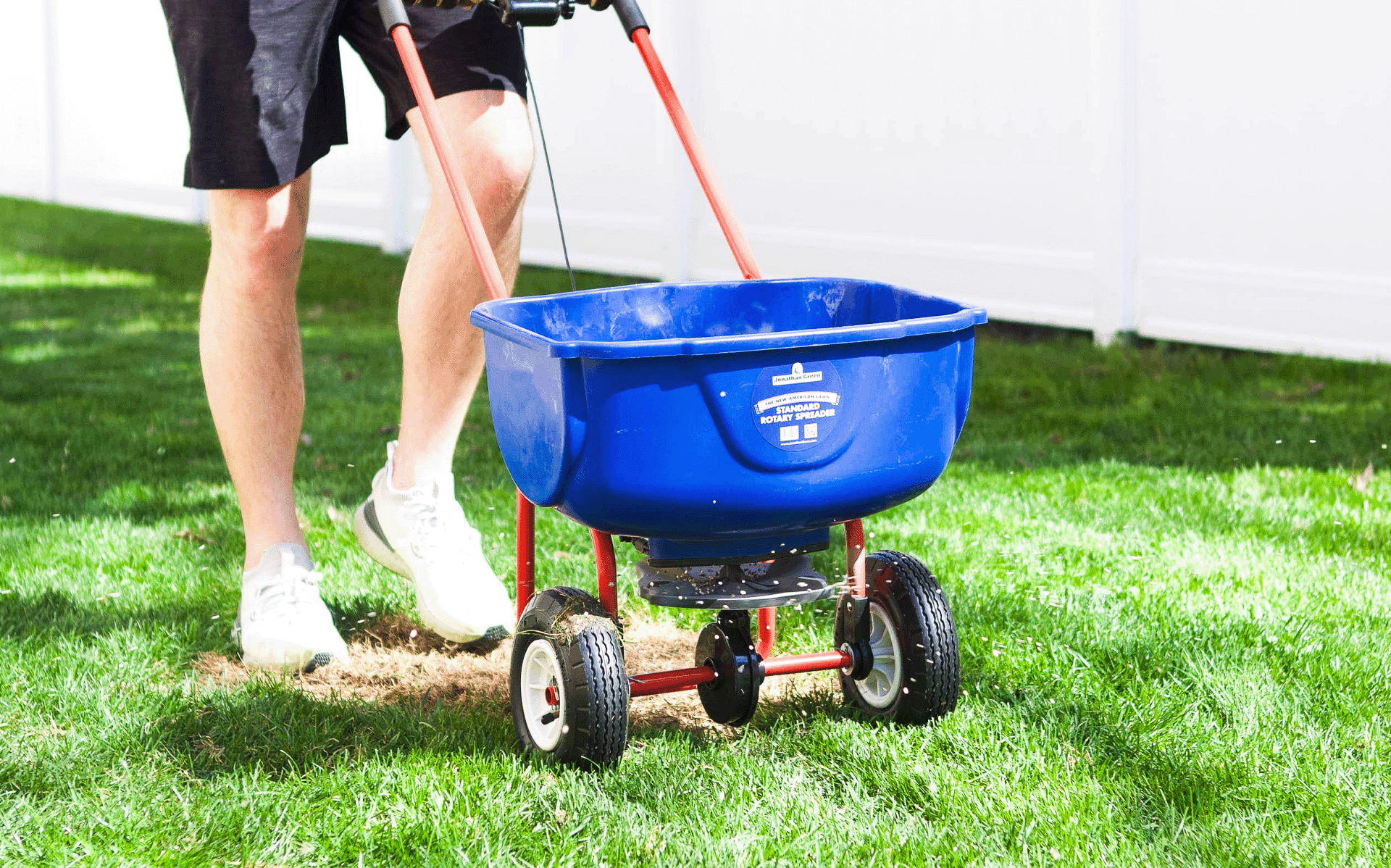
After you’ve selected your seed, it’s essential to apply it according to the recommended rates on the bag. Keep in mind that grass seed comes in different sizes: Bluegrass seeds are tiny and compact, while Fescue and Ryegrass seeds are larger, leading to fewer seeds per pound. The right mixture ensures that your lawn will develop rapidly in the spring while still boasting the lush appearance typical of Bluegrass. A well thought out strategy prevents overcrowding and competition among grass types, allowing each variety to thrive.
Moisture is crucial for the germination process. Once the seeds are sown, consider covering the seeded area with a quality soil mix or a tack to help retain moisture. Just remember to avoid using straw that may contain weed seeds, as those unwanted guests can hinder your progress. Monitor the area closely to ensure it remains moist but not saturated; maintaining the right balance is essential for healthy seed germination.
Finally, when seeding, it’s essential to apply a specialized crabgrass control designed specifically for overseeding. Standard crabgrass preventers can harm your new grass seedlings, so make sure to choose the right one. You can also safely use starter fertilizers and pH controls simultaneously to promote healthy growth. With soil temperatures hitting that magical 50°F, it’s time to act! Get out there, layer your “lasagna,” and watch your lawn flourish! Happy planting!